

On a cloudy Wednesday afternoon at his marina in Sackets Harbor, N.Y., Mayor Alex Morgia gazes at the water and describes the stunning beauty he often witnesses, even on a gray day.
“Sometimes those are the most beautiful sunsets because the sun peeks out from below, creating a cascade of colors on the clouds,” Morgia explains, as he looks out over what has recently turned into North America’s most disputed lake.
“We experience sunsets over the lake all year long,” Morgia clarifies, “specifically over Lake Ontario, just to be clear.”
Situated on the eastern shore of the lake, roughly a 40-minute drive from the Canadian border, Sackets Harbor is currently embroiled in a dispute as the United States and Canada clash over tariffs and U.S. President Donald Trump’s decision to rename Lake Ontario to “Lake America.”
Morgia notes that the harbor was even referenced in Trump’s executive order.
This isn’t the first time the charming village has found itself in the middle of a conflict between the two nations: Morgia recalls that Sackets Harbor was the site of two significant battles during the War of 1812.
“People frequently discover cannonballs in their yards,” he added. “Some even use them as doorstops.”
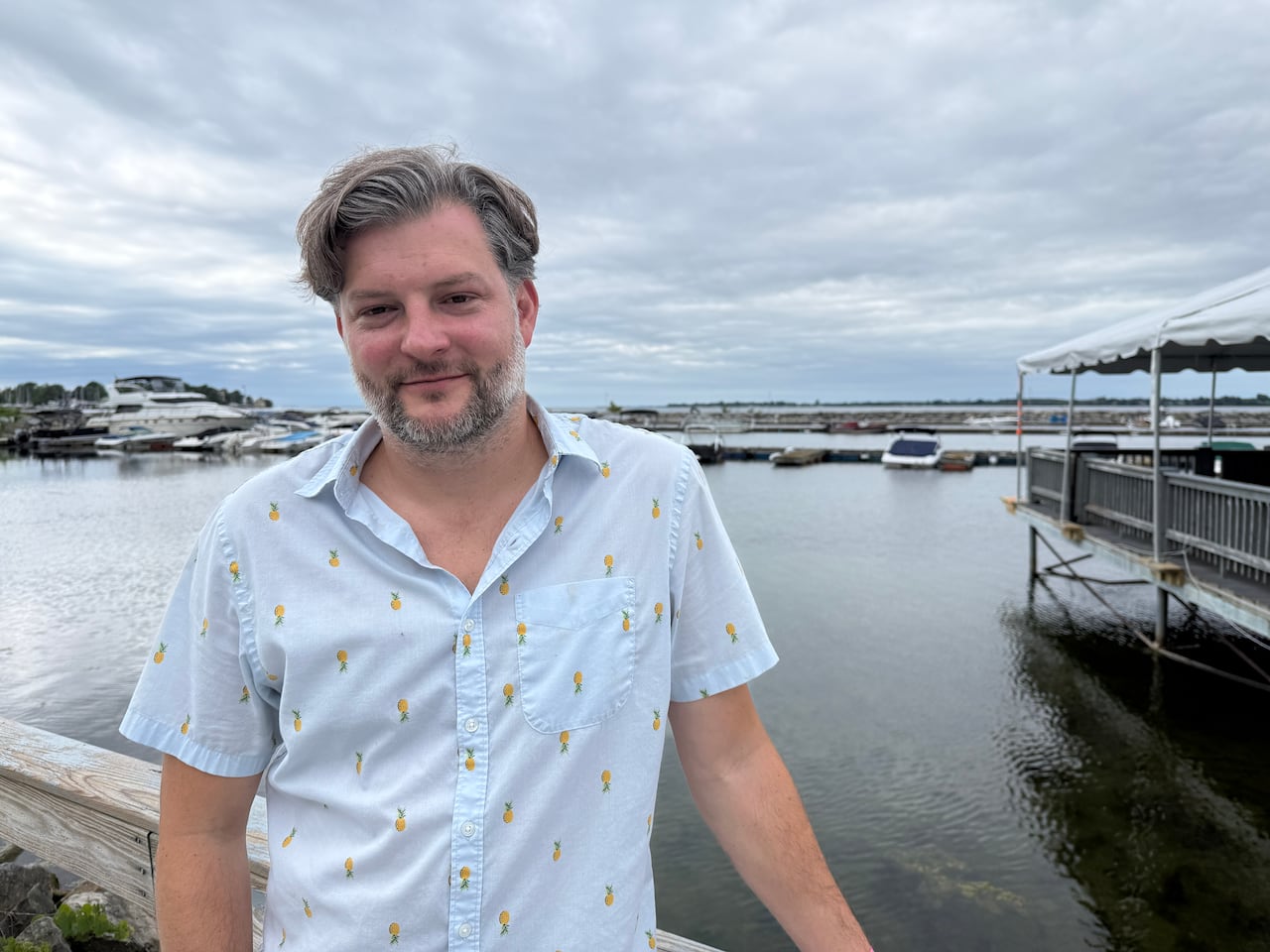
Alex Morgia, mayor of Sackets Harbor, N.Y., mentioned a time when U.S. President Donald Trump was preoccupied with other matters, hoping it would divert attention away from Canada so both nations could rebuild their friendship. (Benjamin Lopez Steven/CBC)
Although Morgia downplays Trump’s level of support for renaming the lake, he, along with other residents and officials from upstate New York living near the border, worries that this escalating dispute could jeopardize strong Canadian relations, negatively impacting their communities.
“There was a brief period when I thought he was distracted by other issues and would leave Canadians alone so we could mend our friendship. Clearly, that opportunity has passed,” Morgia remarked.
‘It hits in the heart’
Approximately a half-hour drive north of Sackets Harbor, on the U.S. side of the Thousand Islands Bridge spanning the St. Lawrence River, Corey Fram is worried that the challenging situation he faces is about to worsen.
As the director of the Thousand Islands Regional Tourism Development Corporation, Fram is in charge of marketing on both sides of the border. However, he noted a significant drop in Canadian spending and border crossings following Trump’s re-election.
“It’s painful to lose the economic benefits brought by Canadian tourists on the New York side. But in a border community, it strikes at the core,” Fram remarked.

The final long weekend of summer is approaching. CBC’s Troy Charles examines cross-border travel, and perhaps unsurprisingly, Canadians continue to avoid the United States.
While Fram recognizes there may be strategies in play by Washington and Ottawa that benefit their national economies, he believes these initiatives have adverse effects on border communities.
“It feels like those of us living along the border are bearing the brunt of what is supposed to be a beneficial economic strategy for each country,” Fram stated.
In Ogdensburg, N.Y., about a 45-minute drive northeast, Anthony Adamczyk faces a similar challenge. As the executive director of the Ogdensburg Bridge and Port Authority, responsible for managing the local bridge over the St. Lawrence, he notes a slight increase in border crossings from Canada in January 2025 compared to the previous year; however, numbers dipped the following month and have not returned to previous levels, Adamczyk reported.
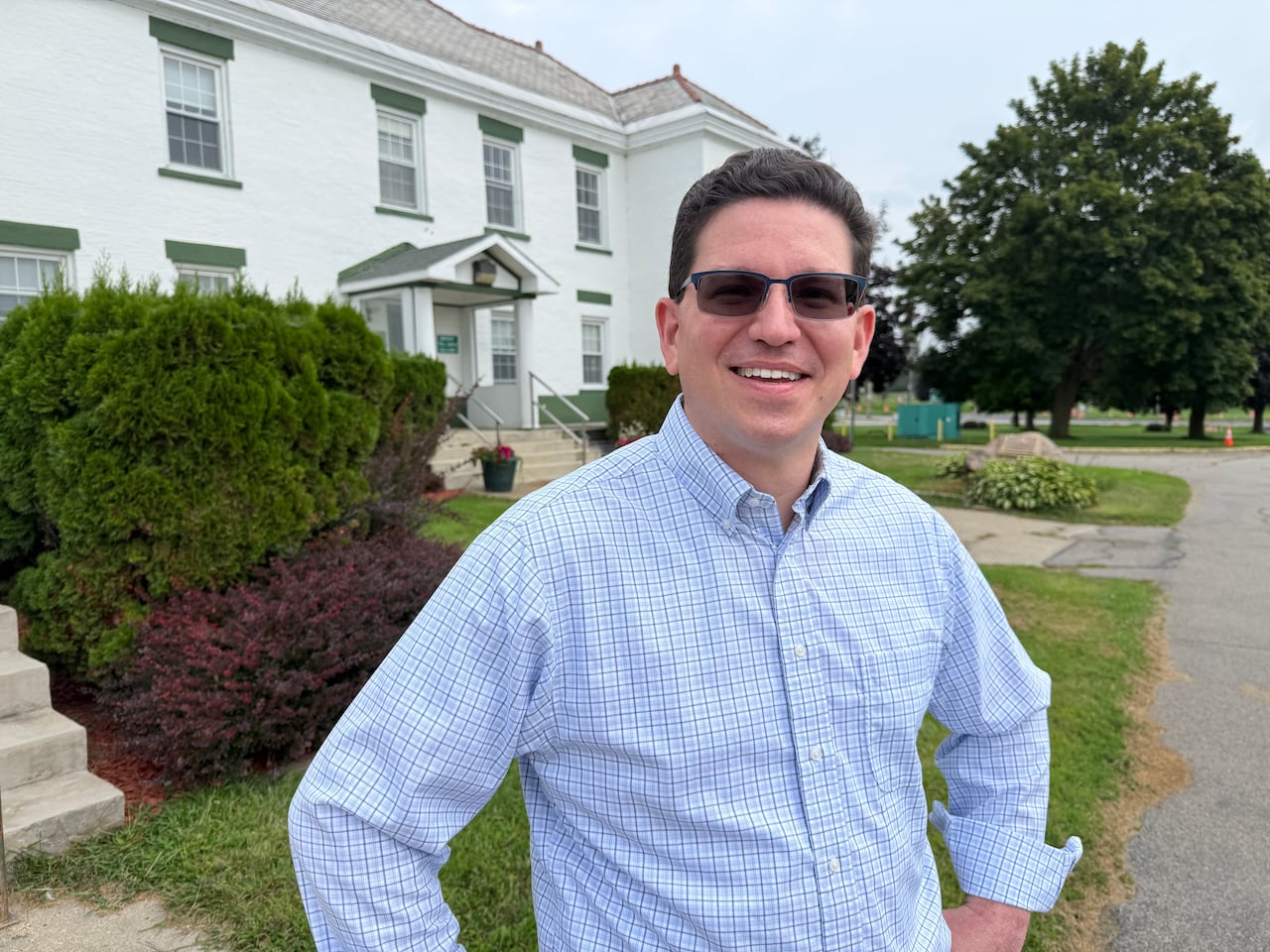
Anthony Adamczyk, executive director of the Ogdensburg Bridge and Port Authority, indicated that traffic from Canada at the border crossing fell by 23 percent in 2025 compared to 2024. (Benjamin Lopez Steven/CBC)
Overall, border traffic saw a 23 percent decline in 2025 compared to 2024, translating to approximately 136,000 fewer vehicles. The toll revenue from the bridge dropped by 35 percent, equating to a loss of around $536,000.
Fram is particularly worried that the decline in Canadian tourists may become permanent. He shared with CBC’s The House that major crises affecting border crossings—such as the COVID-19 pandemic or the 9/11 attacks—result in long-term drops in numbers that never fully recover.
“I fear this is just another significant decline, and we may never return to the levels we experienced in 2024,” Fram expressed.
Residents split on Trump’s approach
The ongoing dispute regarding tariffs and the renaming of Lake Ontario places residents of Ogdensburg and Sackets Harbor in a complicated situation. Both areas are located in St. Lawrence County and Jefferson County, respectively—counties that Trump has previously won by more than 10 points in past presidential elections.
Outside a Walmart in Ogdensburg, Greg Barr mentioned to The House that he frequently visits Canada and has never encountered any problems with Canadians. However, regarding the trade war, he stated that he believes the U.S. has been “far too generous.”
“Not just to Canada, but to other nations,” Barr remarked. “[Trump] is balancing things out, in my opinion. He may have a different approach, but he does achieve results.”
Jim Rupert, who operates a taxi service transporting clients frequently between Canada and the U.S., echoed Barr’s sentiment, viewing Trump’s tactics as a way to level the economic playing field.
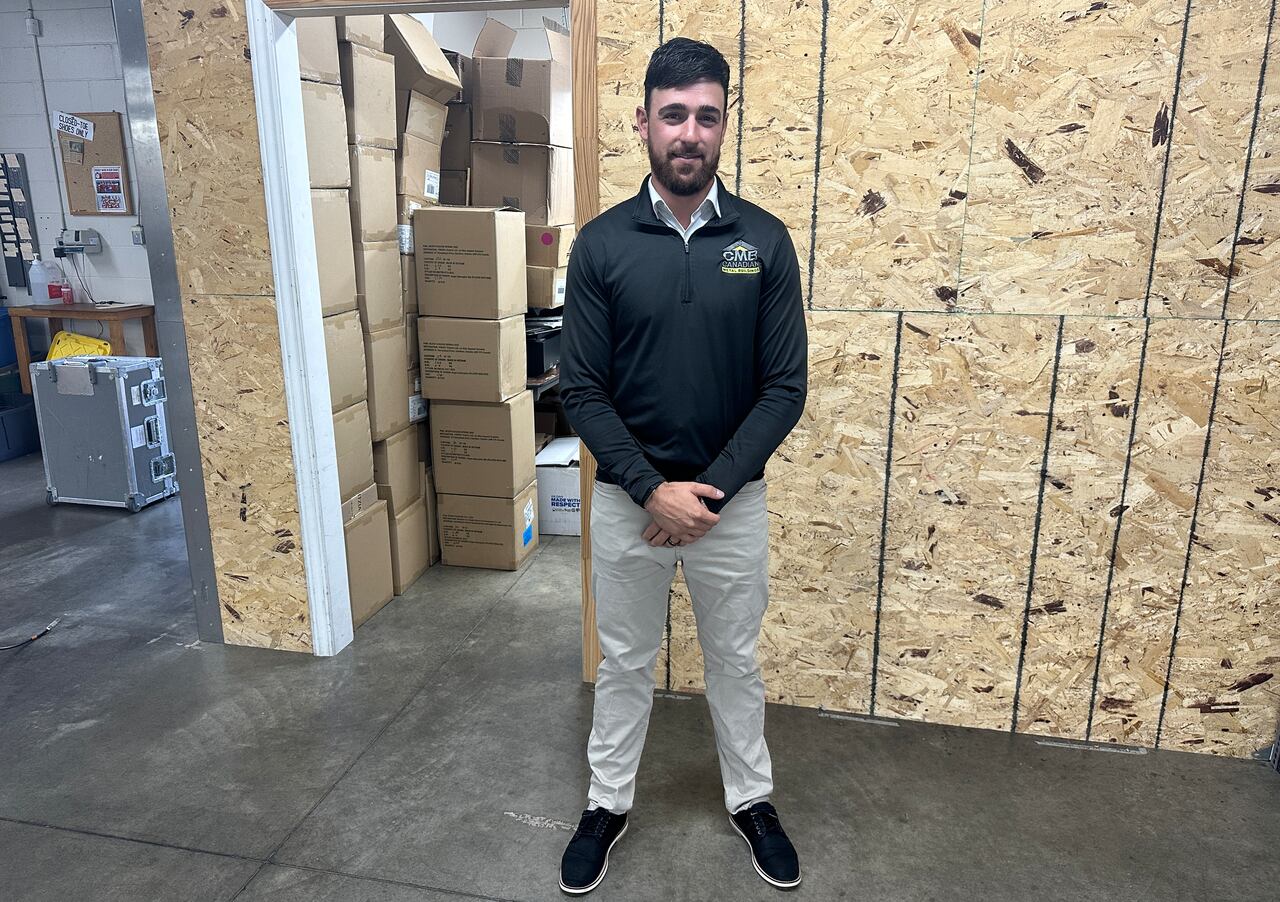
Taxi operator Jim Rupert believes Trump’s tariffs aim to create a more balanced economic environment, suggesting that Canada could enhance its position by further developing its natural resources. (Benjamin Lopez Steven/CBC News)
“I often find it hard to listen to [Trump] because he rambles and rants, but his policies are sound.”
Conversely, Carol and Gary Davis, who have noticed a rise in their grocery expenses, find it challenging to understand Trump’s actions.
“When he was elected, gas was supposed to be cheap, food was supposed to be cheap,” Gary lamented. “It’s turned out to be just the opposite.”
Carol, who supported Trump in the last election, expressed disappointment in the president, although she felt there were no better alternatives at the time she voted.
“So yes, I suppose I do have regrets now.”
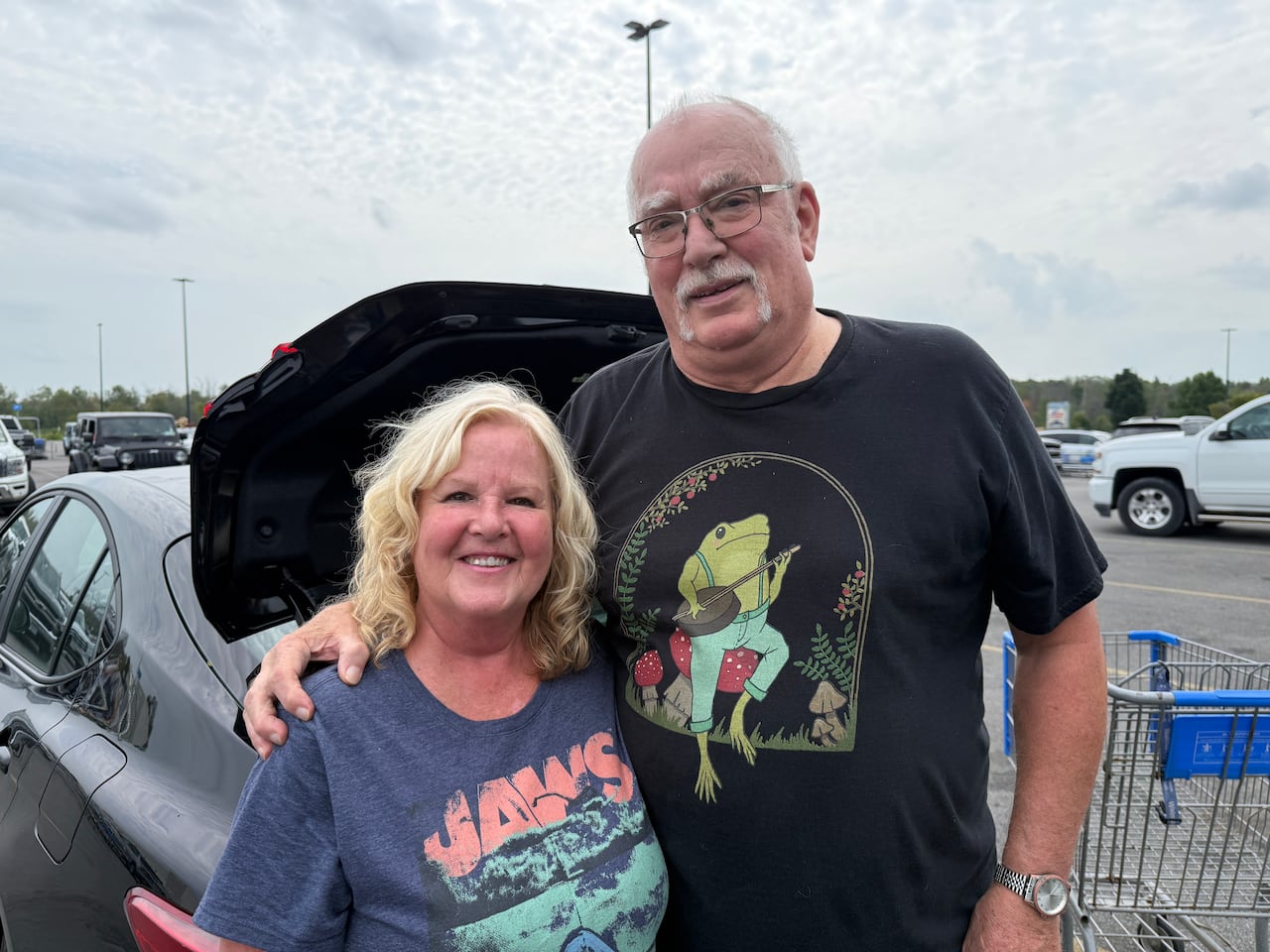
Carol and Gary Davis express disappointment as Trump promised to reduce gas and food prices, but the reality has been quite the opposite. (Benjamin Lopez Steven/CBC)
Local Republican lawmaker provides perspective
Scott Gray, a Republican assemblyman representing Ogdensburg and Sackets Harbor, is aware of the concerns voiced by residents. He conveyed to The House that while he doesn’t oppose tariffs, he wishes to avoid any negative impact on his constituents or Canadians.
“We have enjoyed a long-standing exchange in trade and economy, and I believe we should strive to preserve that,” Gray stated.
He expressed hope that some key sticking points, such as U.S. access to the Canadian dairy market, could be resolved through trade discussions. However, he cautioned that tariffs can be disruptive, as can retaliatory tariffs.
Gray criticized certain actions from the White House, including Trump’s repeated references to Canada as the 51st state and U.S. Secretary of War Pete Hegseth diminishing two female Canadian cadets.

Arizona Democratic Sen. Ruben Gallego criticizes recent remarks made by U.S. cabinet members regarding Canada’s military as ‘deeply disrespectful to the men and women of Canada that have died fighting with [the U.S.].’
However, he also pointed fingers at Canada, particularly when Ontario Premier Doug Ford made remarks telling Trump to “kiss my ass” in response to tariff threats.
“We must ensure there is a fair trade agreement, and we should pursue that without fostering animosity or friction, which is largely due to various antics out there,” Gray remarked.
Back at the marina in Sackets Harbor, Morgia wonders if the U.S. government will cease its provocations towards its northern neighbor. He empathizes with Canadians who are urging Americans to pressure their leaders to ease the punitive measures against Canada.
“I guess it won’t happen until the midterm elections in November. People are trying, but for now, the Republicans dominate most of the government. Until that shifts, I don’t see him being held accountable.”

