

It has been 65 years since the Berlin Wall abruptly divided a city and country. On August 13, 1961, over 10,000 police and army personnel initiated the construction of the wall, which physically separated East and West Germany, dividing streets, neighborhoods, families, and political ideologies.
Prior to its collapse 28 years later, the Berlin Wall claimed the lives of at least 140 individuals, including those attempting to flee, innocent bystanders, and border guards.
“No one could have foreseen that it would stand for 28 years,” stated Hartmut Richter, whose family was stranded in East Germany when the wall went up.
In 1966, Richter managed to escape to West Berlin by swimming across a frigid river and later facilitated the smuggling of 33 individuals out of East Germany in his car trunk.
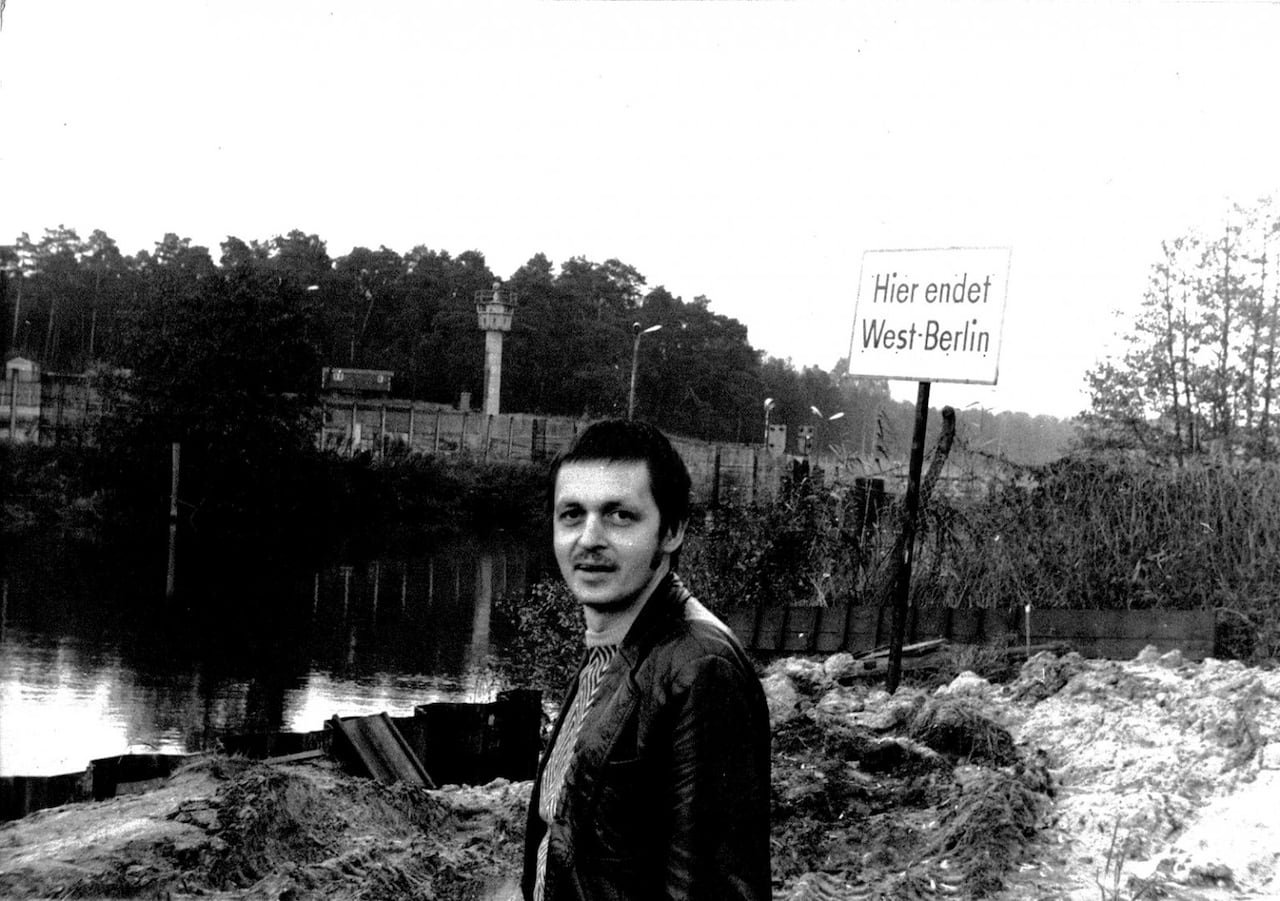
Now, more than six decades later, Richter views his struggle for freedom not just as a memory but as a cautionary tale.
“I fear for the freedom we currently enjoy,” he expressed.
This freedom is at risk as the far-right Alternative for Germany (AfD) party is expected to make significant gains in upcoming state elections, leveraging historical divisions between East and West Germany to advance its agenda.
Studies have linked the rise of the AfD to economic disparities, demographic shifts, and collective grievances in the eastern states of Germany.
The AfD’s nationalist policies, anti-immigration stance, and rejection of certain EU regulations have resonated with a segment of the population, particularly in the eastern regions.
If the AfD secures a majority in the state election in Saxony-Anhalt on September 6, it would mark the first time since World War II that a far-right party holds such a position in Germany.
“This is a deeply concerning development as the AfD’s extremist views and actions pose a threat to the democratic fabric of Germany,” cautioned Sabine Sparwasser, Germany’s former ambassador to Canada.
The AfD’s platform includes advocating for deportations based on heritage, promoting a nationalist cultural policy, and opposing progressive family models, sparking controversy and alarm among critics.
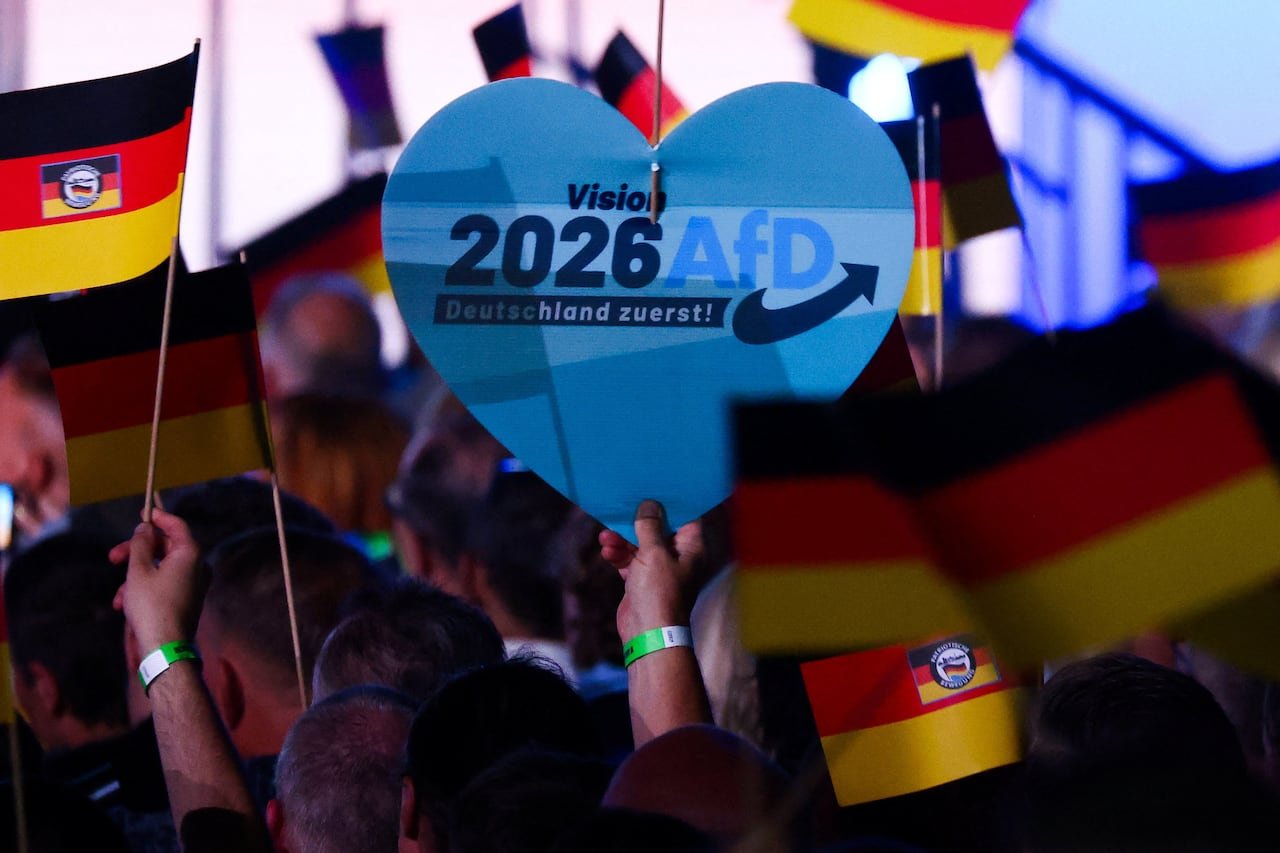
Leading figures in the AfD have made controversial statements, including minimizing the significance of historical atrocities and using banned Nazi slogans, raising serious concerns about the party’s political direction and its impact on German society.
The upcoming state election in Saxony-Anhalt is viewed as a crucial moment that could reshape not only regional politics but also influence the national political landscape in Germany.