

As Canada sets its sights on achieving 90 per cent adoption of electric vehicles by 2040, incidents of theft at EV charging stations are increasingly becoming a significant concern nationwide.
The cost of copper, a key component in EV charging cables, has been on the rise, reaching a peak of approximately $20.99 per kilogram earlier this month.
Authorities indicate that criminals are taking advantage of the soaring prices, with thefts resulting in losses exceeding $1 million for B.C.’s provincial power company in the last year.
The theft of cables from EV charging points represents the latest development in a wave of copper thefts across the country — which also includes thefts from telecommunications equipment and power lines.
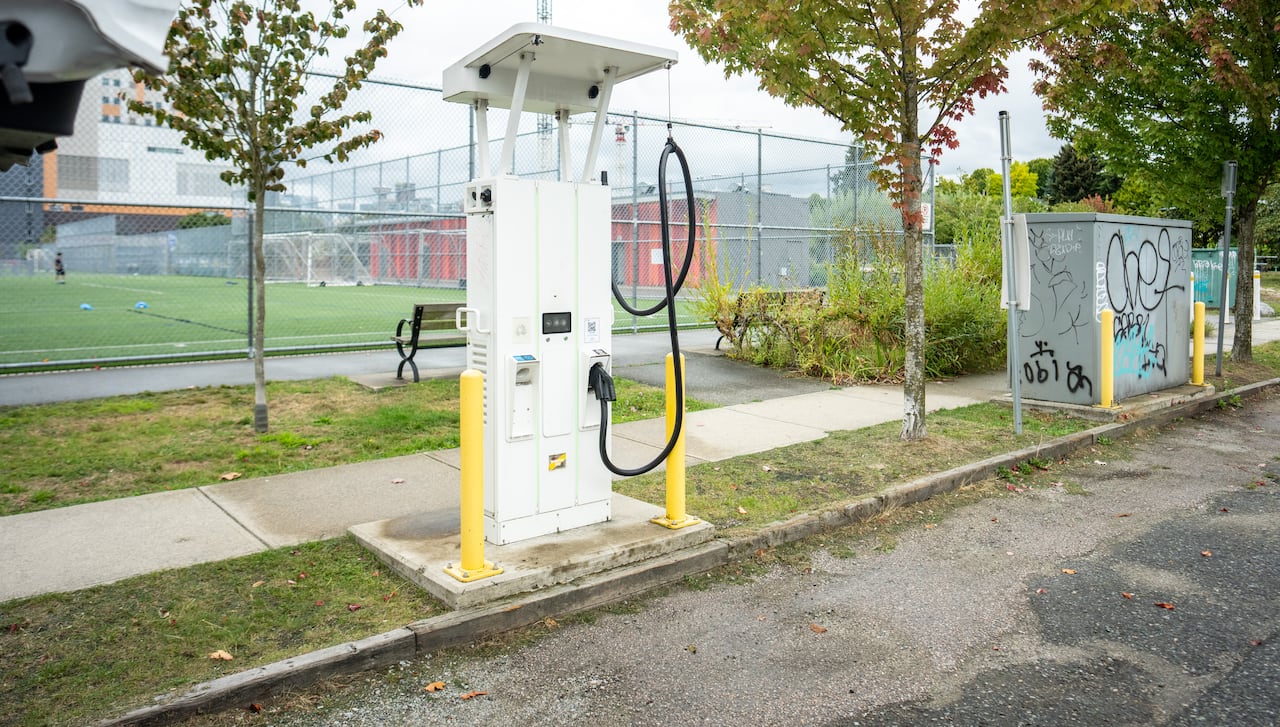
This EV charging station at Vancouver’s Trillium Park, observed on Aug. 27, has been stripped of its copper wiring. (Ben Nelms/CBC)
Hydro-Québec, which manages the largest charging network in the province, reports that incidents of copper theft involving charging station equipment and cables have surged from nine in the first half of 2025 to 20 in the same timeframe in 2026.
The utility company states that replacing the stolen cables can lead to costs of tens of thousands of dollars for each unit.
Despite this, Hydro-Québec emphasizes that the rationale behind these thefts is perplexing — as the actual worth of the copper in the cables is “only a few dozen dollars,” and the act of stealing poses significant dangers to the thieves as they handle hazardous equipment.
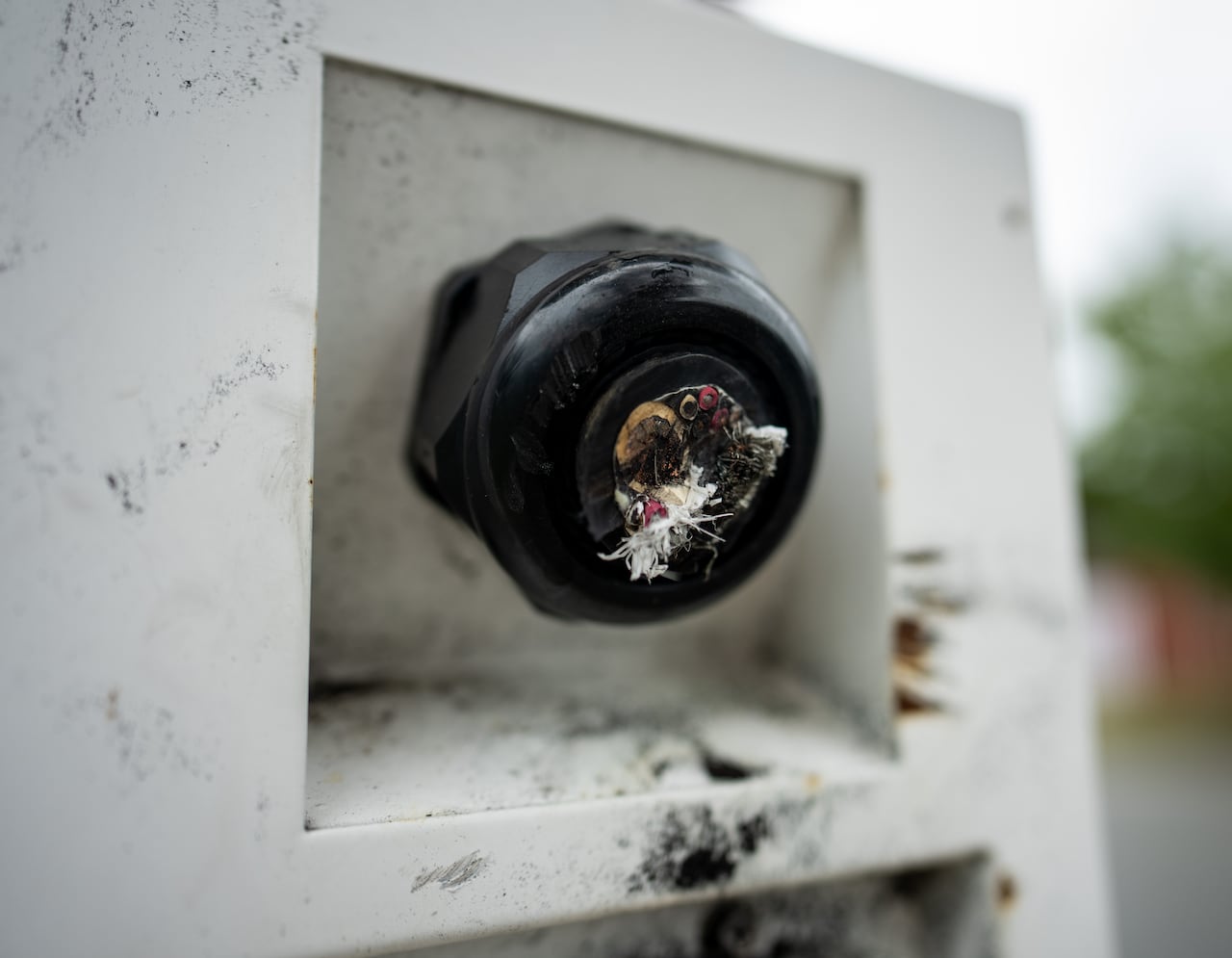
Officials across Canada report a rising trend of thieves targeting EV charging stations. (Ben Nelms/CBC)
In Edmonton, police recorded 14 theft incidents involving copper wiring from EV charging stations between January and July this year, resulting in damages of about $41,590.
This marks an increase from 12 incidents during the same period in 2025.
Authorities suggest that these thefts are likely underreported.
Meanwhile, B.C. Hydro has indicated that approximately 130 cables have been stolen throughout the province since October 2025, leading to an estimated replacement cost of around $1 million for the power authority.
“These cables contain valuable copper, making them a prime target for thieves,” stated B.C. Hydro spokesperson Susie Rieder.
“This is a widespread challenge affecting the entire industry across North America and EV infrastructure.”
B.C. Hydro has increased security at several sites by implementing measures such as extra cameras, alarm systems, improved lighting, protective cable shields, dye-packed cables, and in some cases, on-site security personnel.
“Since our charging network is accessible to the public around the clock, there isn’t a one-size-fits-all solution. That’s why we’re adopting a targeted, site-specific strategy to assess local risks and conditions,” Rieder explained.
Personal chargers targeted
It’s not only businesses that are impacted — private charging stations are also being targeted by thieves.
In July, Greg Dent filmed an individual stealing the charger for his Chevrolet Bolt outside his home in Langley, B.C.
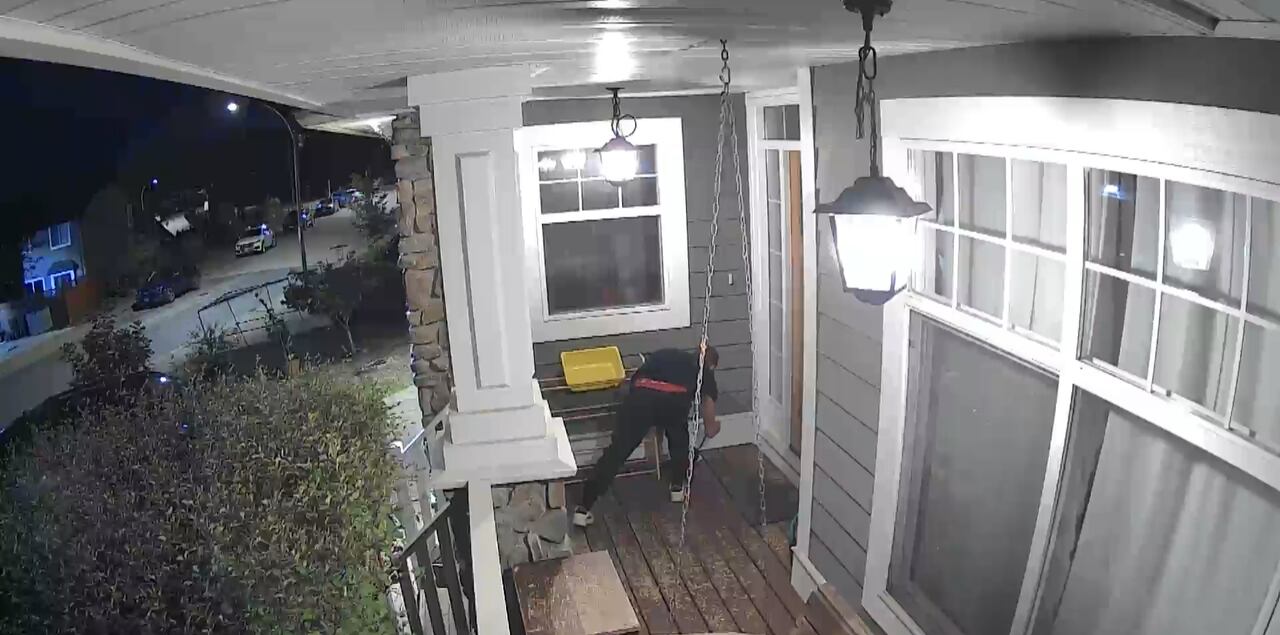
Greg Dent recorded CCTV footage of someone stealing his EV charger at his Langley home in July. (Submitted by Greg Dent)
“It was included with the vehicle, and a new one from the manufacturer would have cost around $700 or $800. I ended up purchasing a different one that set me back another $350,” Dent remarked, adding that he informed the police and installed additional security cameras.
“Honestly, if the person had approached me and simply asked for $20 instead of taking the charger, I would have agreed to that — it would have been better for me.”
Deterring copper theft
In British Columbia, the Metal Dealers and Recyclers Act mandates that copper buyers and sellers provide various information to help prevent and trace metal theft.
Kimberly Dioszeghy from ABC Recycling in Burnaby, B.C., notes that the soaring copper prices have made it the most sought-after common material they encounter.
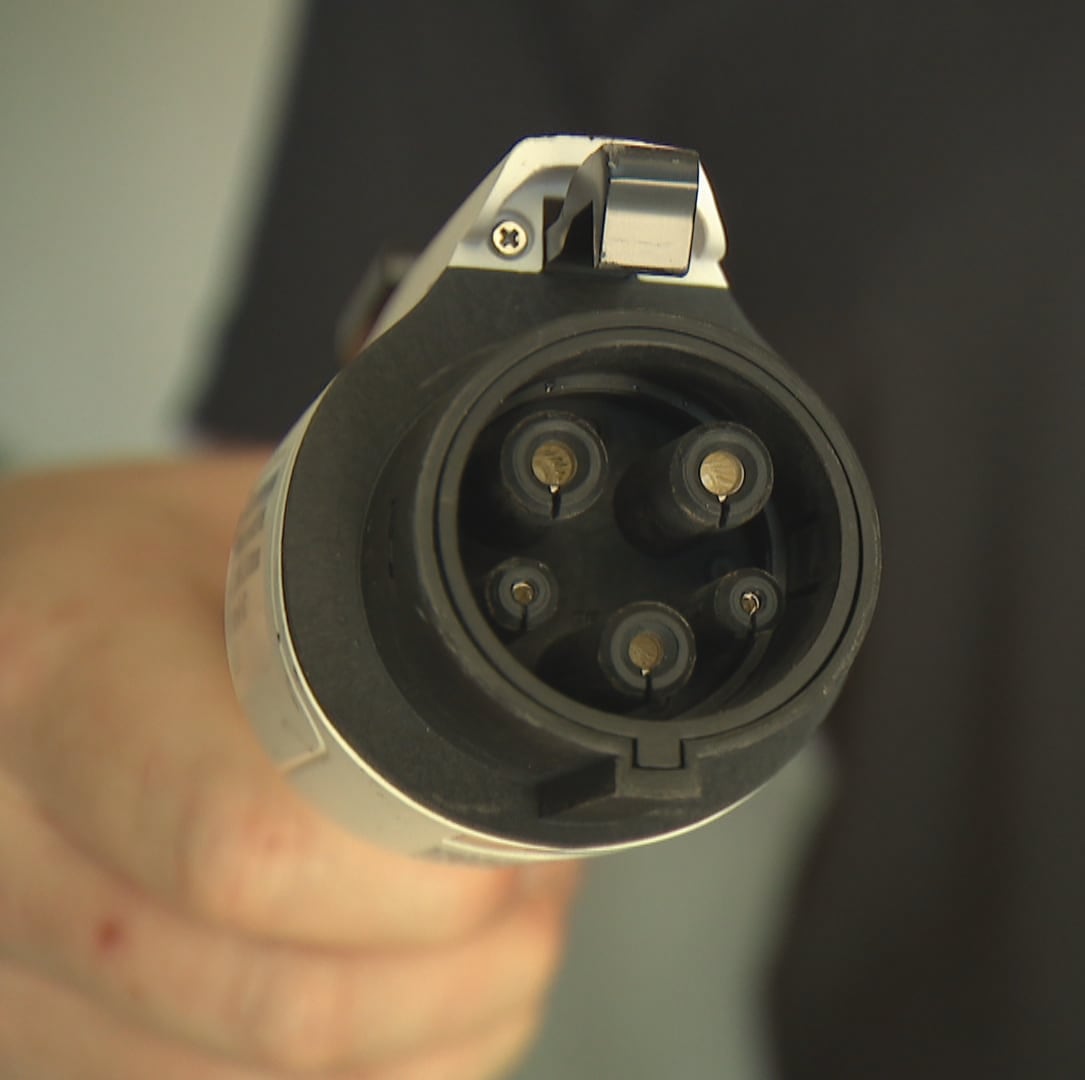
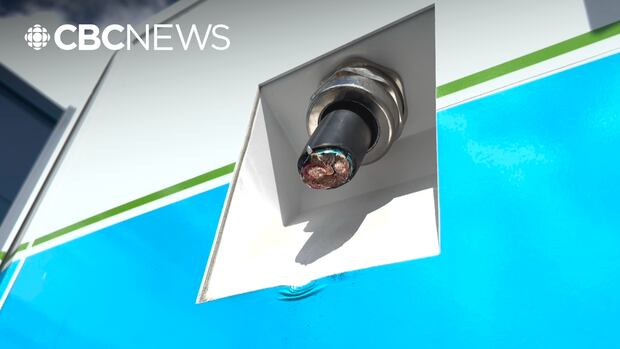
The interior of an EV charging cable reveals valuable copper wires, which have become attractive targets for thieves, according to officials. (CBC)
She asserts that they adhere to regulations and implement additional measures to avoid purchasing stolen copper.
“It harms the community, it harms us, and it harms customers. We do not wish to accept stolen goods,” Dioszeghy stated.
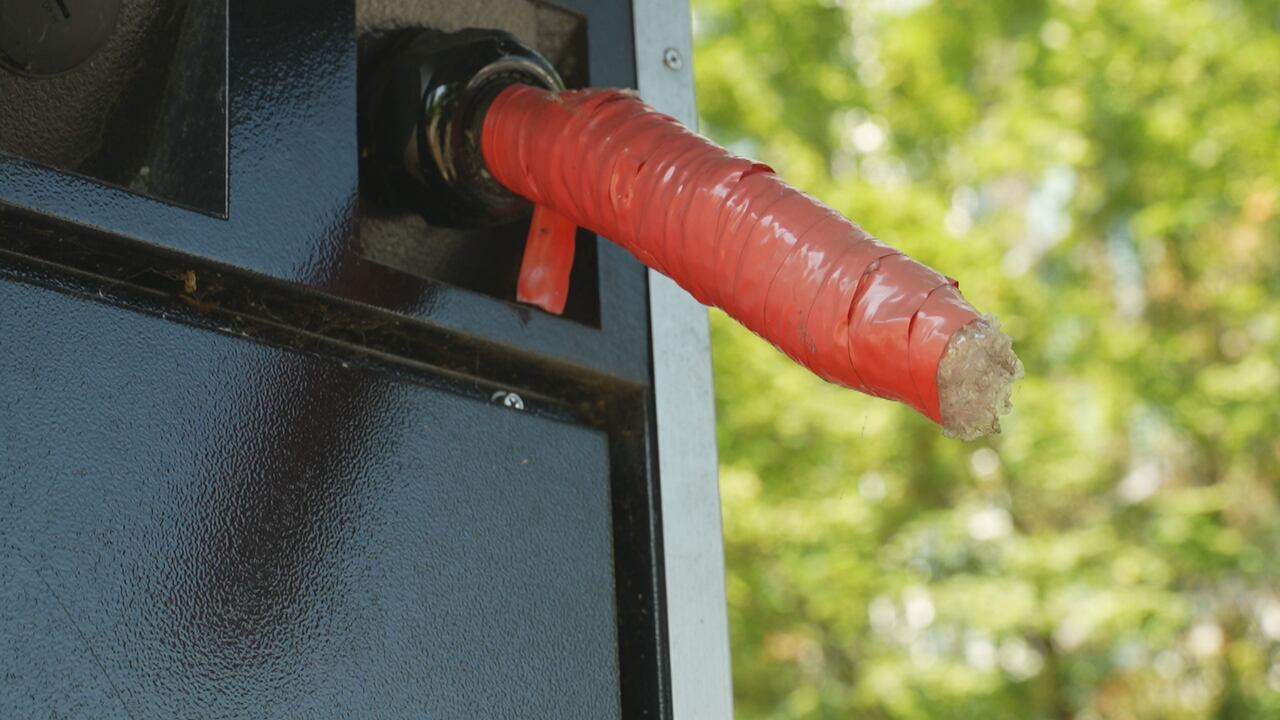
A spool of wires protruding from a charging port that has been vandalized in Vancouver. (CBC)
Stephen Bieda, national director of the Electric Vehicle Society, expresses frustration regarding the theft of these cables as the number of chargers continues to grow.
“When these chargers are damaged, it costs thousands to repair them. What is the benefit of that for the thief?” Bieda questioned.
“For a Level 2 charger, the scrap value of the copper ranges from $5 to $20. With a DC fast charger, the fastest type, the copper could be worth between $25 and $150.”
Bieda draws parallels with the recent increase in catalytic converter thefts due to the precious metals within them.
As copper prices remain at elevated levels, he advocates for enhanced protections for EV charging infrastructure and increased oversight of copper resale activities.
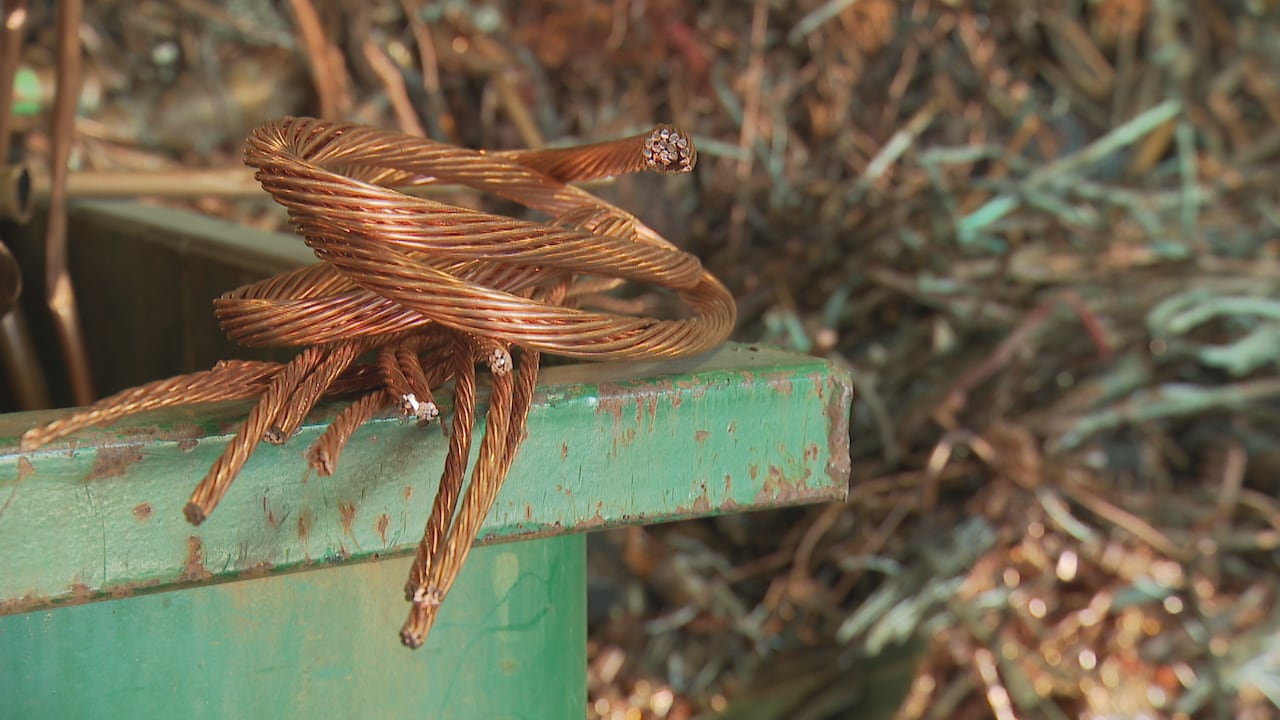
Approximately five pounds of copper is displayed on a container at ABC Recycling in Burnaby, B.C. (CBC News)

