

As the trade dispute between Canada and the United States intensifies, CBC photographer Evan Mitsui has been documenting businesses in southern Ontario impacted by tariffs. From furniture to live plants and circuit boards now facing new U.S. tariffs, one recurring theme among these businesses is “Uncertainty.”
Saeid Mohmedi, the founder and president of MIS Electronics Inc. in Richmond Hill, Ontario, has navigated challenges throughout his 25 years in the industry. However, he admits this situation is unlike any he has encountered before.
“With this idiot guy [in the White House], we just don’t know,” Mohmedi expressed when asked about the outlook for his company in the next three to six months.
MIS specializes in the production of printed circuit boards (PCBs) for clients in various sectors, including automotive and electronics.
“Most of my business comes from Canadian firms,” Mohmedi noted. Yet, many of his clients—whose names he hesitates to disclose, although MIS’s website includes Sony, Samsung, and Toyota—export their products to the U.S.
This situation places those products under scrutiny for their Canadian content.
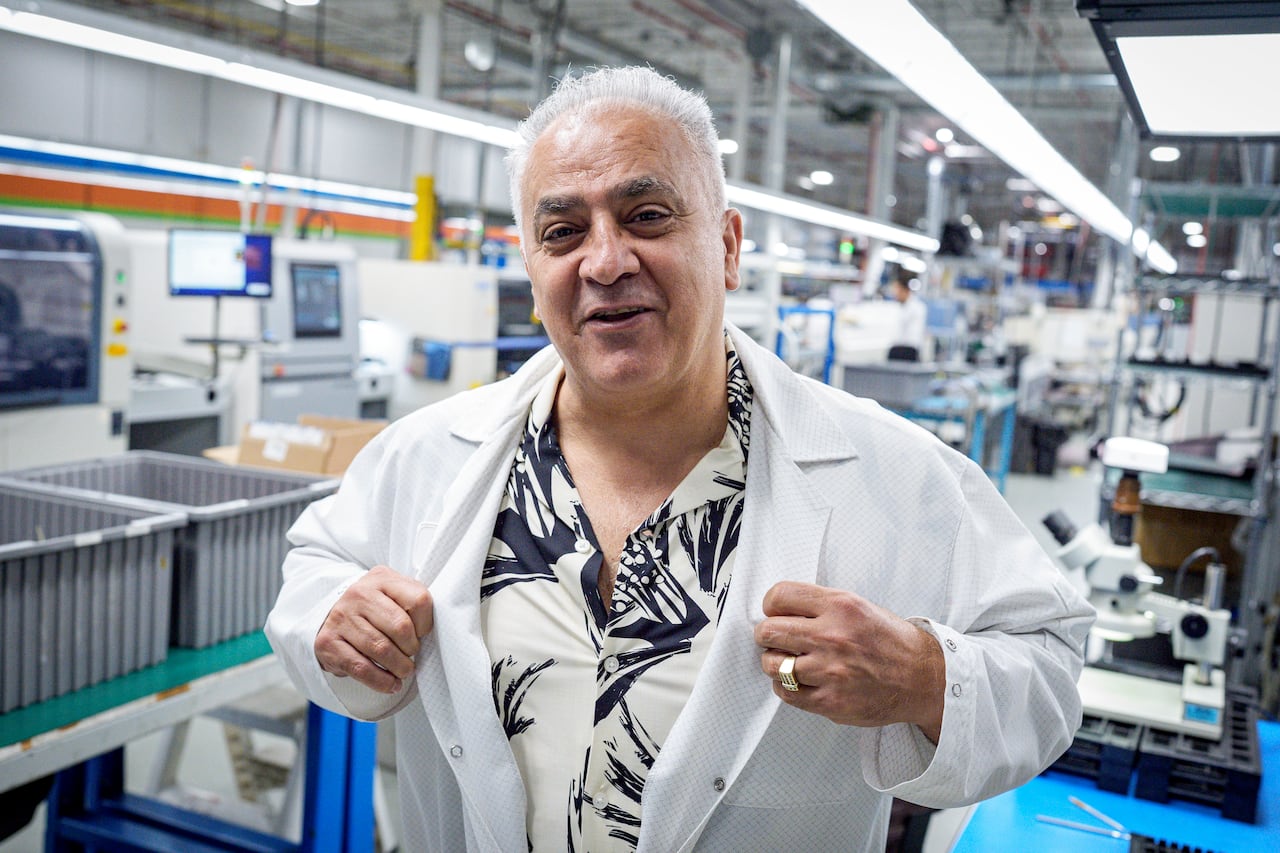
Saeid Mohmedi, founder and president of MIS, stands on the shop floor in Richmond Hill on August 27. He has faced challenges in his 25-plus years in business, but this trade war is unprecedented. (Evan Mitsui/CBC)
A period of constriction
The costs for Mohmedi’s business are also rising. Although many components used in the PCBs are sourced from Taiwanese manufacturers, the procurement process often involves the U.S., making it a more complicated and expensive endeavor.
This marks a time of tightening in a field that relies heavily on research and development, along with extended lead times. As MIS vice-president John Tryhub points out, “beyond six months, the forecasts are all down.”
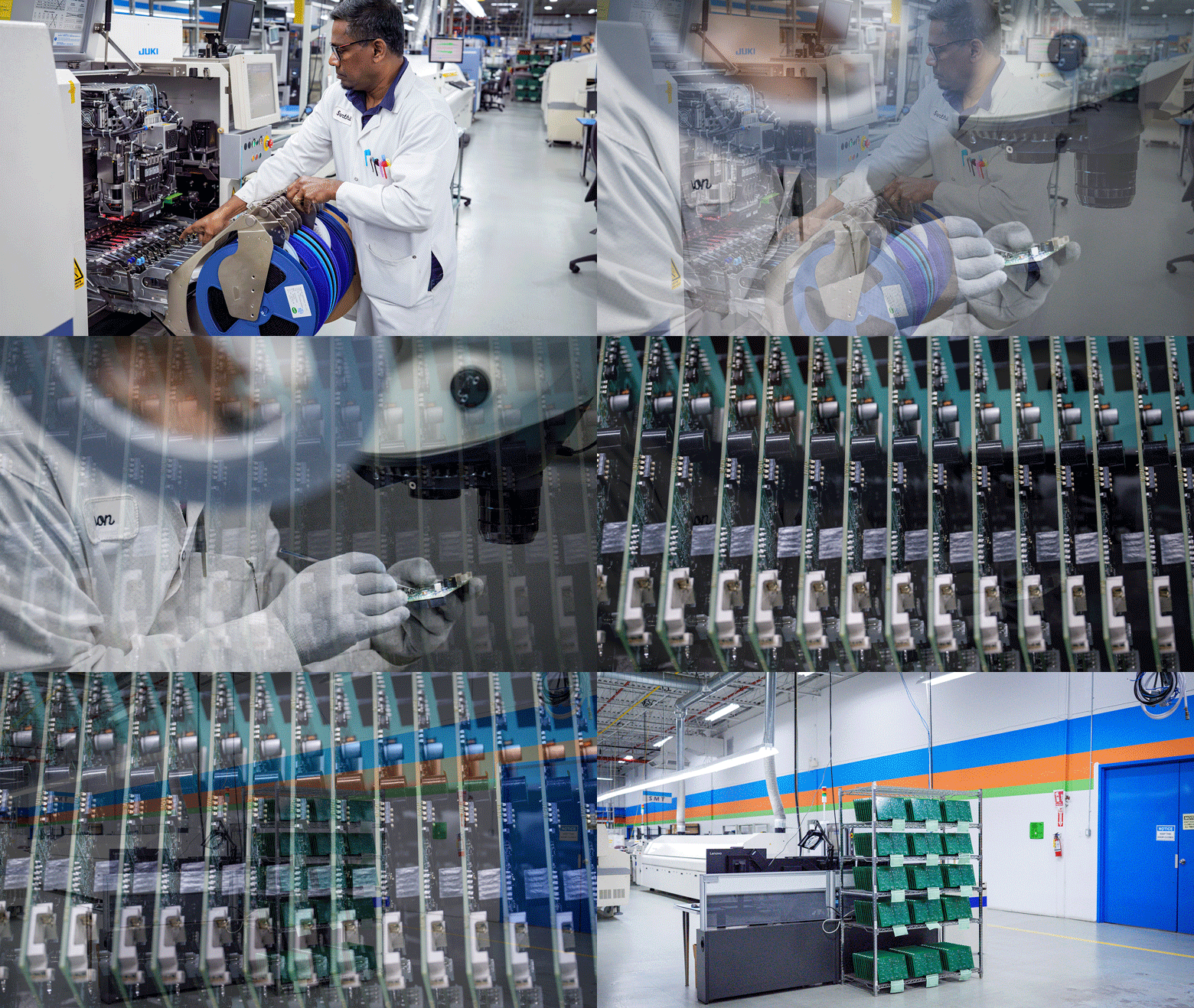
Employees at MIS Electronics work on assembling printed circuit boards at their facility in Richmond Hill. (Evan Mitsui/CBC)
Located in the manufacturing centers of Markham and Richmond Hill, Ontario’s technology sector is known for producing PCBs—the rigid green plates where transistors, diodes, and chips are attached, forming the core of electronic devices.
Ontario hosts several large multinational corporations, including Siemens and Celestica, which manufacture enterprise electronics that operate power grids and data centers. Nonetheless, much of the sector’s output comes from companies like MIS, which focus on business-to-business transactions, often producing 10,000 units at once. These PCBs are used in devices such as handheld radios, electric vehicle chargers, slot machines, and both large and small medical devices.
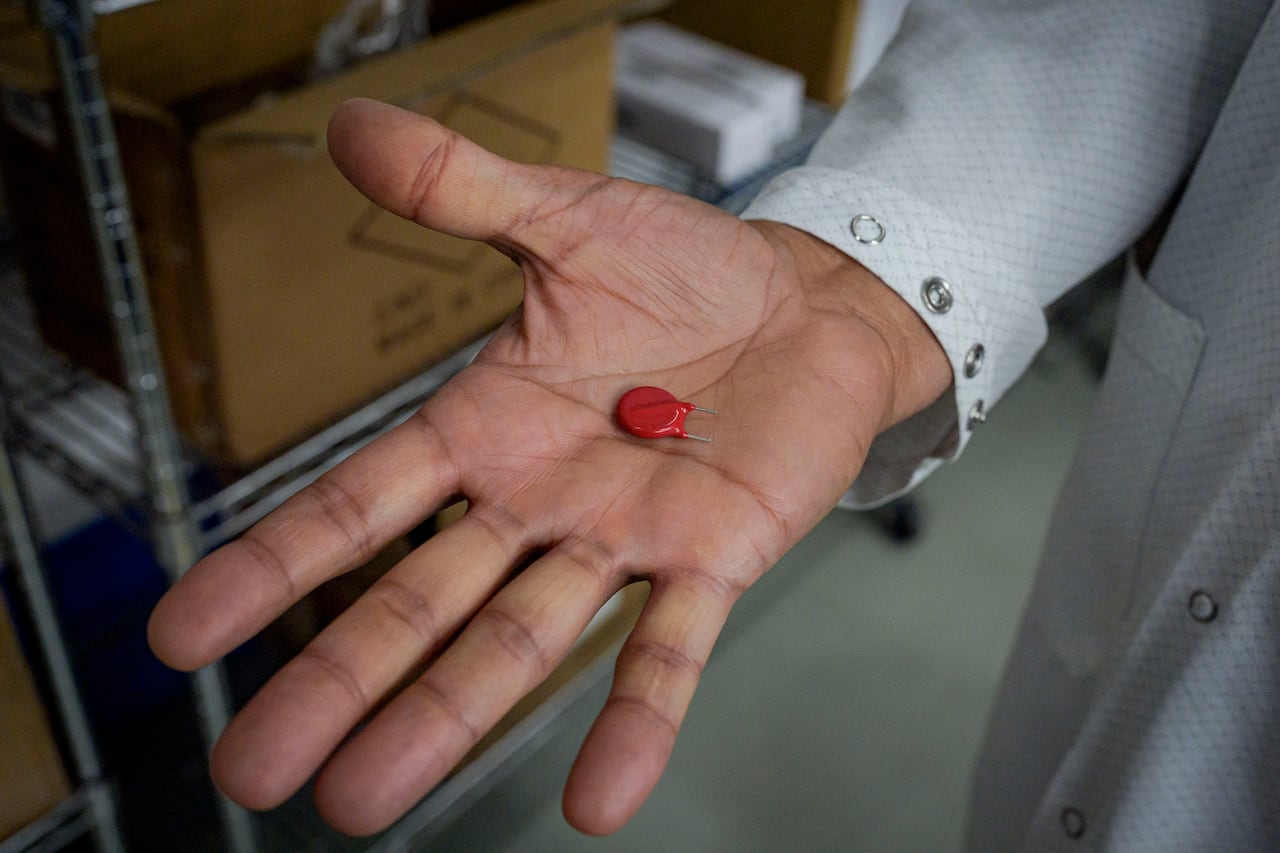
Ali Reza, the plant manager, displays a component used in PCBs at MIS’s facility. (Evan Mitsui/CBC)
With a workforce of 70 and a manufacturing area spanning 47,000 square feet, MIS exemplifies the small-to-medium-sized enterprises that are likely to be severely impacted by Trump’s trade conflict.
According to the United States International Trade Commission, the total worth of Canada’s electronics exports to the U.S. stands at $4.1 billion USD. The most recent Section 338 tariffs, which were implemented on August 22 after a Canada-U.S. trade agreement failed to materialize, specifically target Canadian-made PCBs at an elevated rate of 50 percent, placing companies like MIS directly in the line of fire.
Major threatened sectors
Next steps
When queried about his strategy to adapt, Mohmedi stated that now is the ideal moment for businesses to establish local supply chains.
“Canadians must step forward and support Canadian businesses. Encourage Canadian manufacturing,” he asserted. “We can produce it here at a lower cost than importing from the U.S.”
He has initiated this by launching a new company that manufactures touchless faucets using components from MIS—all produced in Canada. This niche was identified after realizing that American faucets were being imported due to a lack of domestic options.
Mohmedi believes that if there is a silver lining to this situation, it is the potential to boost demand for Canadian-made products.
“Why are we producing it in the U.S.? It can be more affordable to manufacture it here.”

