

CONTENT WARNING: The following article discusses instances of violence against children and attempted suicide.
The testimony phase of Lindsay Clancy’s murder trial wrapped up on Wednesday. Clancy, a mother facing charges for the strangulation of her three young children, is at the center of a case shedding light on postpartum mental health issues.
Closing arguments are scheduled for Thursday, followed by the jury entering deliberations. Clancy, aged 36, has entered a plea of not guilty by reason of lack of criminal responsibility, attributing her actions to experiencing postpartum psychosis when she killed her children in their Duxbury, Mass., home in January 2023.
Postpartum psychosis, a rare mental condition, is associated with the challenges of post-childbirth stress, sleep deprivation, and hormonal shifts.
Insights from FBI Forensic Psychiatrist
Prosecutors allege that Clancy premeditated the killings and was aware of the wrongfulness of her actions. Throughout the ongoing five-week trial, Clancy did not take the stand, but her defense presented 10 witnesses, including acquaintances and family members, while the prosecution summoned over 70 witnesses, including her ex-husband.
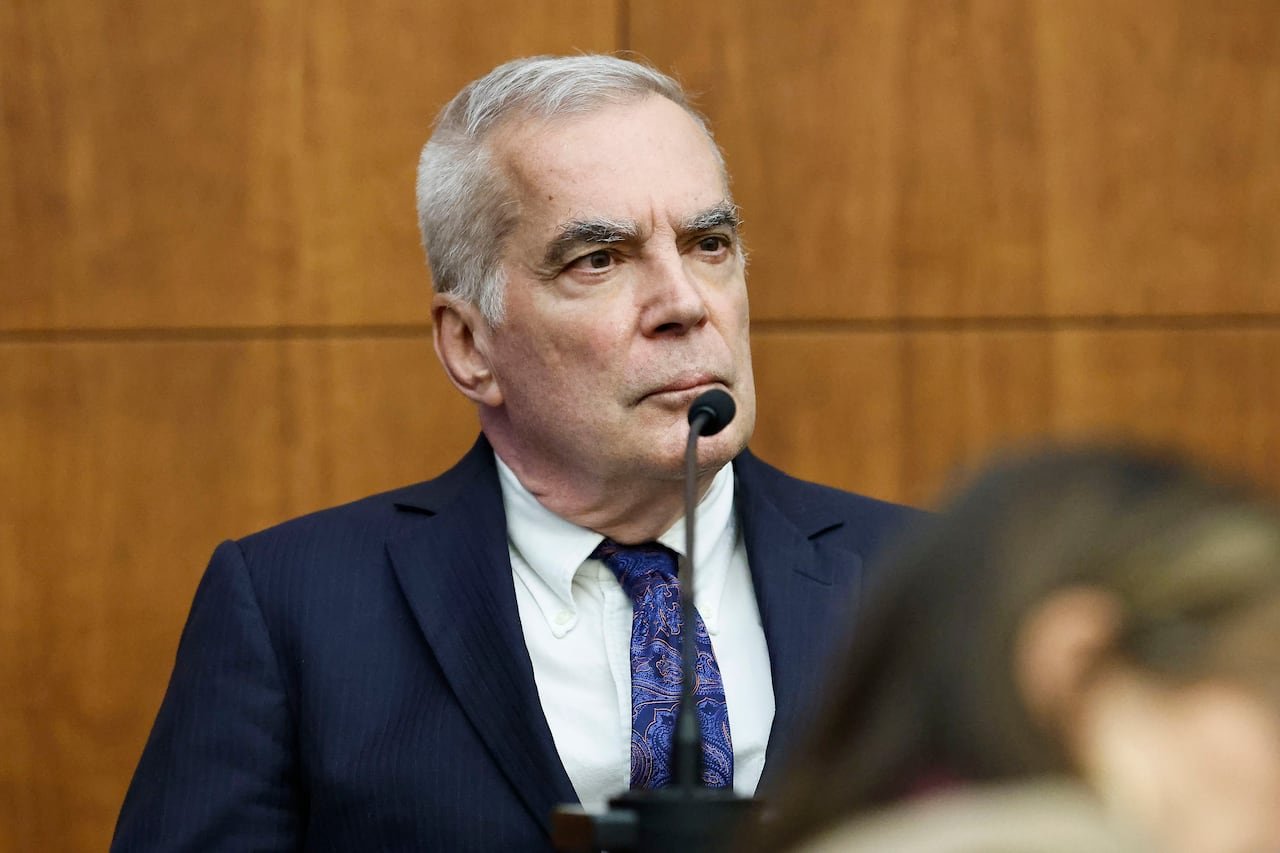
During the latest testimony for the prosecution, a forensic psychiatrist from the University of Virginia and a senior FBI Behavioral Analysis Unit expert cast doubt on Clancy’s claim that she was instructed by a voice to carry out the murders.
Prosecutor Jennifer Sprague probed Dr. Gregory Saathoff regarding the specifics of Clancy’s account, to which Saathoff consistently refuted any claims of external instructions on the killings. He emphasized Clancy’s self-directed actions as indicative of her control over the sequence of events.
The tragic events unfolded as all three children were asphyxiated with exercise bands in the family’s basement, followed by Clancy’s attempted suicide while her husband was away on errands on January 24, 2023. Saathoff highlighted Clancy’s swift and methodical actions in executing the sequence of events, underscoring her apparent control over the situation.
Discussing Clancy’s claim that the voice ceased after the children’s deaths, Saathoff found this narrative inconsistent with typical psychological patterns, pointing out the lack of past disclosures about hearing such voices.

More like thisRelated
“Birth Control Vaccine Approved for Alberta’s Free-Roaming Horses”

Alanis Morissette Sues Ex-Tour Manager for Blackmail
“Canada World Cup Hero Eustaquio Joins Swansea City”
“Canada’s Inflation Holds at 3% in August”