

Glenn Deir, a retired journalist residing in St. John’s, shares his experience in this First Person column. For more of CBC’s First Person stories, visit the FAQ page.
For five months, I relied on six packs daily.
These weren’t beer six-packs but Boost, a meal replacement drink that offered the essential nutrition for a fulfilling life.
My objective was profound — to sustain life itself.
Prior to my throat surgery on July 13, necessitated by a cancerous growth in my right tonsil, back of the tongue, and surrounding tissue, I savored my last regular meal of tenderloin steak.
Post-surgery, the medical verdict on my throat was “normalish,” yet not sufficiently normal for solid food consumption.
Boost drinks (vanilla or strawberry) and pureed sustenance became my lifeline. A blend of meat and vegetables is far from appetizing visually. The taste of a spoonful of lamb chops and green beans was a far cry from their original flavors.
This dietary regimen led to a 15-pound weight loss as my swallowing ability continued to be a challenge, evident in failed swallow tests, such as the one conducted in August under the supervision of speech language pathologists Christina and Kerri.
During the swallow test, water inadvertently entered my airway, while a dense pudding substance proved to be the ultimate obstacle, leading to the conclusion that solid foods were still off-limits.
Despite these challenges, the healthcare team at St. Clare’s Hospital in St. John’s persevered in their efforts, postponing a planned moose hunting trip until after my radiation treatment and chemotherapy sessions.
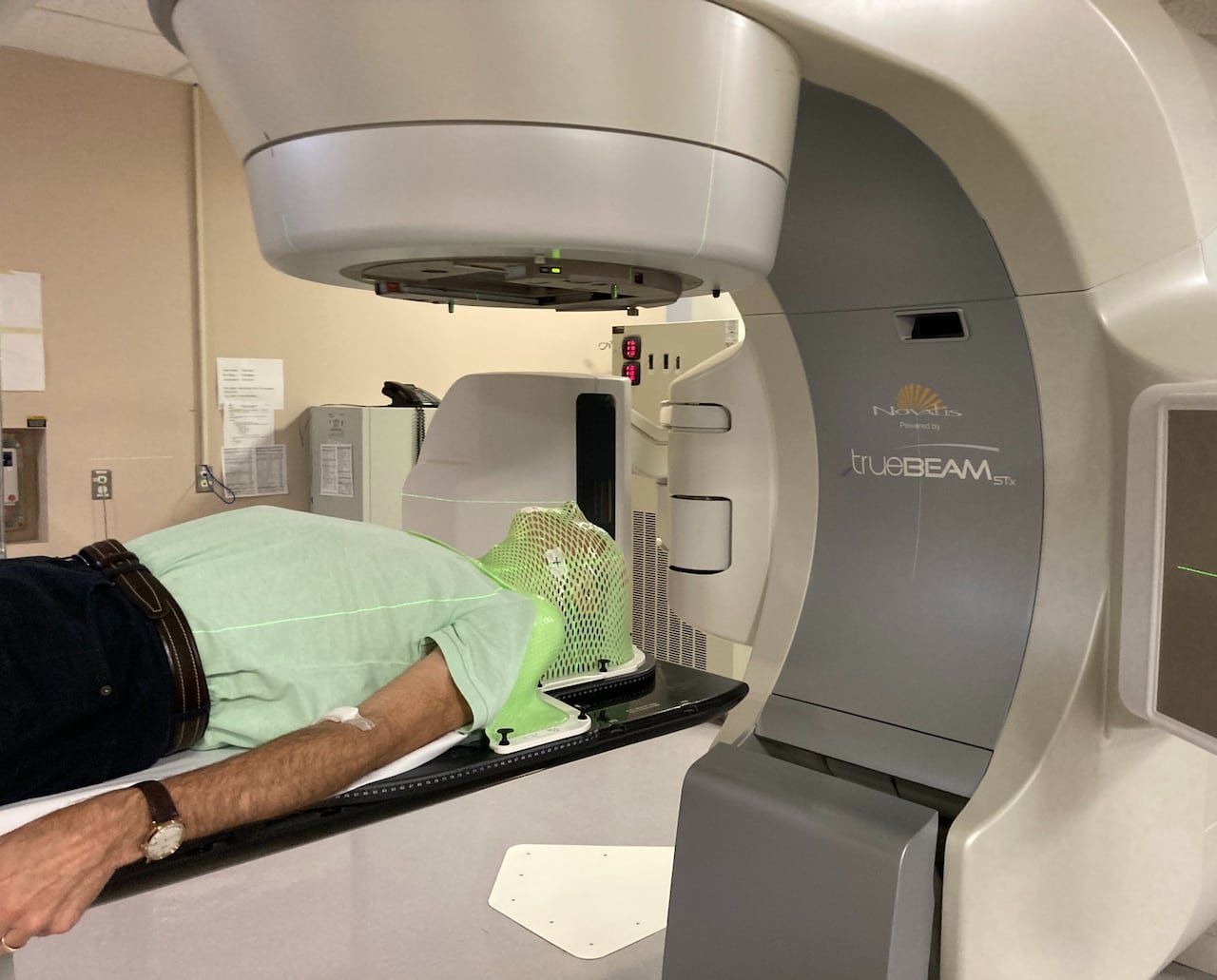
As a result of my medical condition, I had to forfeit my moose hunting privileges for the year and seek special consideration from the wildlife authorities with a letter from my radiation oncologist, Dr. Brent Tompkins, highlighting my health status and need for extended care.
Grateful for the support, I couldn’t help but entertain whimsical thoughts of Dr. Tompkins’ potential frustration with my situation, juxtaposed with the life-saving efforts he undertakes daily.
Enduring Radiation Treatment
Amidst the intense radiation treatments, I found solace in humorous musings, visualizing potential future interactions with the medical team and the prospect of reciprocating their care with a share of moose meat.
Even during the chemotherapy sessions, I faced minor challenges, like swallowing water incorrectly, although promptly attended to by vigilant nursing staff.
Amidst the treatment regimen, I diligently adhered to prescribed exercises for tongue, jaw, and swallowing functions, maintaining a sense of humor and optimism throughout the process.
By late November, post-cancer treatment, I underwent a successful swallow test, a testament to the efficacy of the exercises and therapy sessions.

