

This summer in Eastern Europe has been marked by heightened tensions, with growing indications of potential Russian actions to challenge NATO unity.
Recent incidents in Poland and Romania, including Russian drone intrusions and a missile strike, have raised concerns about possible incursions by the Kremlin.
Speculation surrounding a surprise visit by the CIA director to Moscow further fueled fears of a looming crisis.
The focus for officials in Poland and the Baltic states is not on a large-scale military invasion but on the possibility of Russia carrying out a limited yet impactful act of aggression to test NATO’s resolve.
In a recent incident, a Russian cruise missile struck Poland’s Lublin province, underscoring the escalating tensions in the region.
According to a Polish defense expert, the Kremlin’s strategy may be shifting towards destabilizing NATO politically as a means to gain an advantage in the conflict with Ukraine.
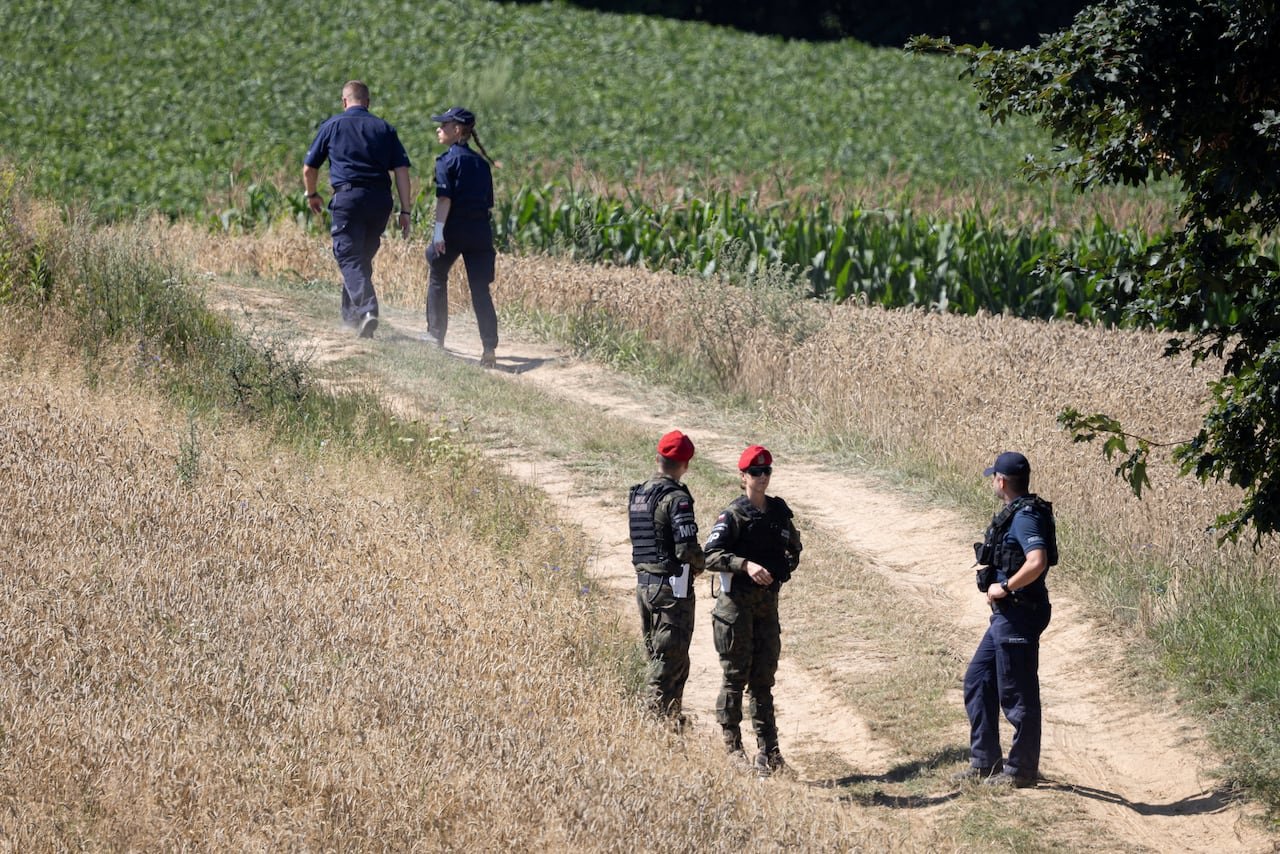
Military and police officers work at the site where an unidentified flying object, believed to be a Russian missile, fell after violating Polish airspace in a field near Lublin, Poland, on July 30. (Agencja Wyborcza.pl via REUTERS)
The Russian leadership seems to be grappling with the challenge posed by Ukrainian resistance, which has been supported by Western allies, leading to a stalemate in the conflict.
Amidst these developments, concerns have been raised about potential Russian provocations aimed at testing NATO’s response capabilities.
While the exact intentions of Russia remain unclear, recent intelligence reports suggest a heightened risk of aggressive actions against NATO members.
Do I think they’ll do something that is so clearly aimed at shaking NATO decision-making and political cohesion? Absolutely.Kerry Buck, Canada’s former ambassador to NATO
Various Western countries, including the U.S., have issued warnings about potential Russian provocations, indicating a growing sense of urgency within the alliance.
The current geopolitical climate has raised questions about NATO’s preparedness to handle potential challenges without strong U.S. leadership.
As tensions continue to escalate, the focus remains on maintaining unity and preparedness within the alliance to address any potential threats effectively.
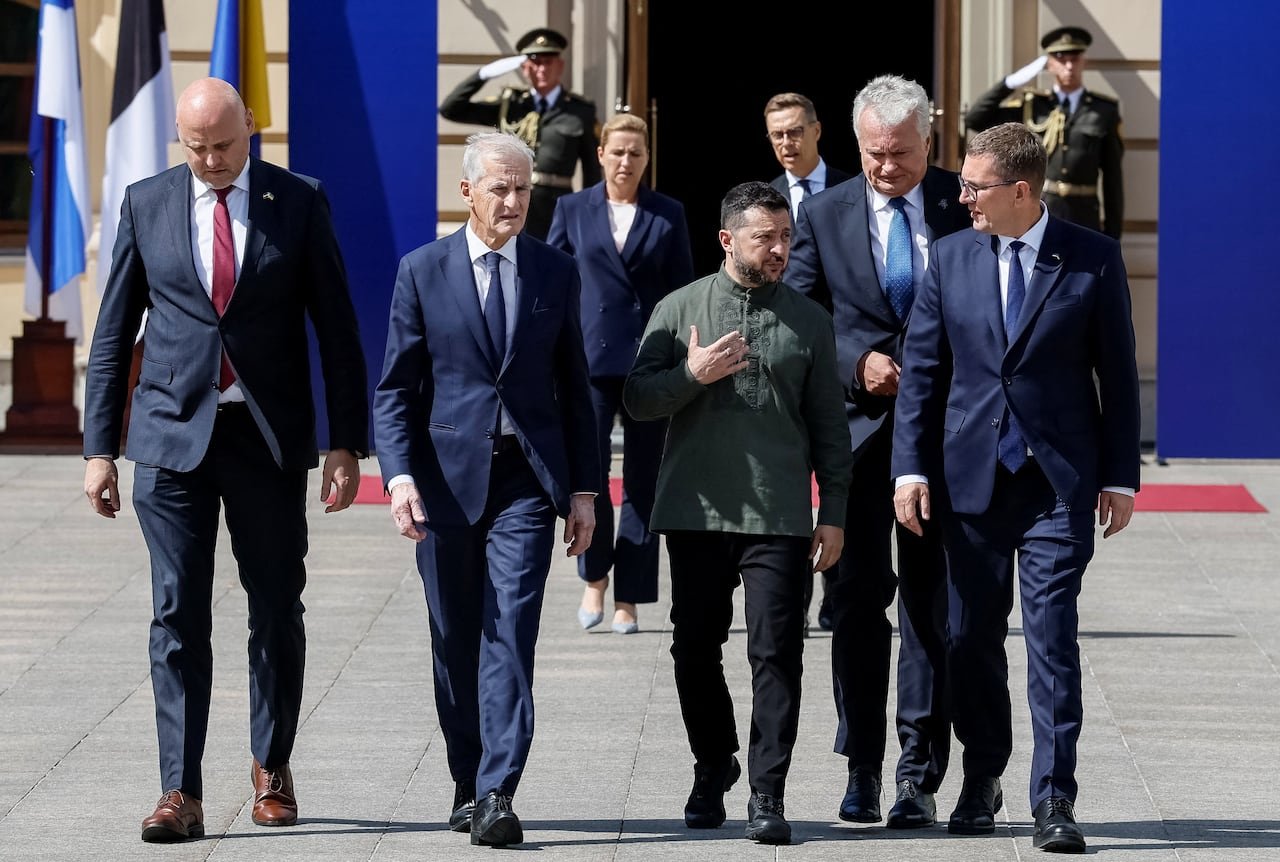
Ukraine’s President Volodymyr Zelenskyy, Denmark’s Prime Minister Mette Frederiksen, Latvia’s Prime Minister Andris Kulbergs, Lithuania’s President Gitanas Nauseda, Finland’s President Alexander Stubb, Norway’s Prime Minister Jonas Gahr Stoere and Estonia’s Prime Minister Kristen Michal walk to the family photo ceremony before a Ukraine-Nordic-Baltic summit (NB8) in Kyiv on Aug. 23. (Gleb Garanich/Reuters)

