

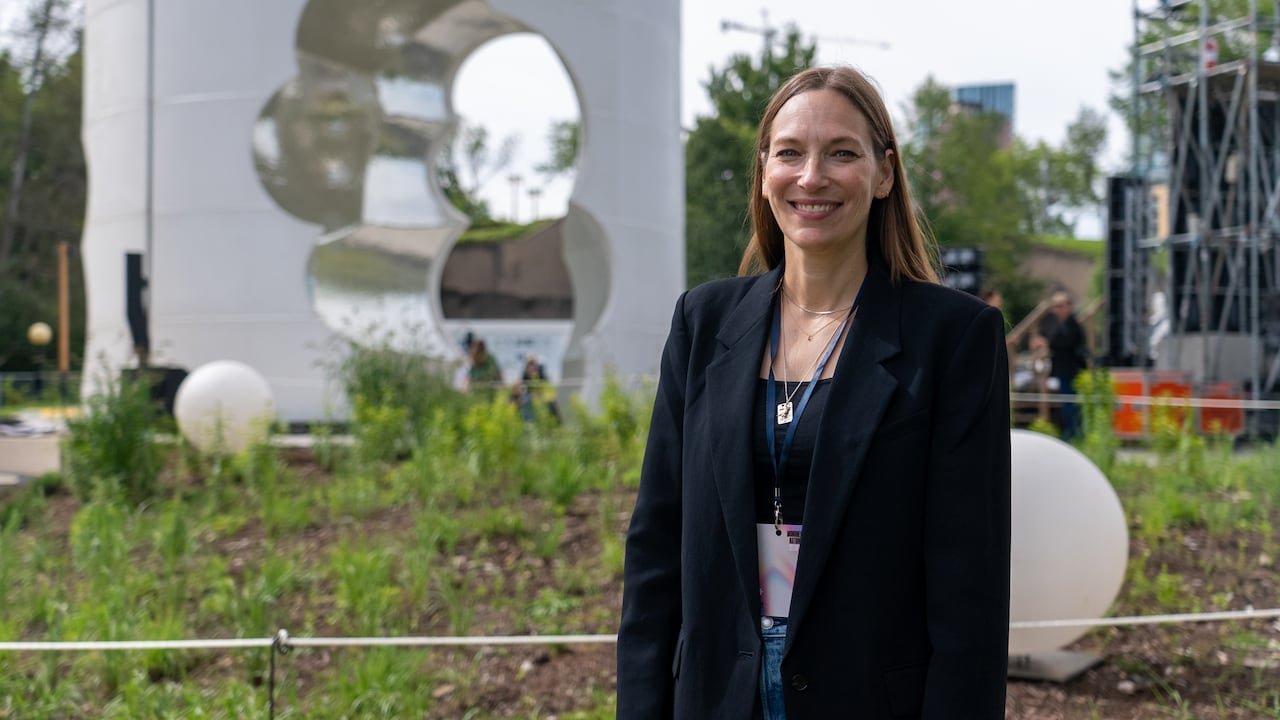
In downtown Ottawa, near the Library and Archives Canada building, a new national monument for the 2SLGBTQ+ community is set to open. The monument, named Thunderhead, is a striking nine-meter white column with cloud-shaped openings that aims to symbolize celebration and reflection.
The monument, designed by a team based in Winnipeg, features inverted clouds inside the pillar and a mirrored interior that gives a disco ball-like effect. It is located at the intersection of Wellington Street and the Portage Bridge.
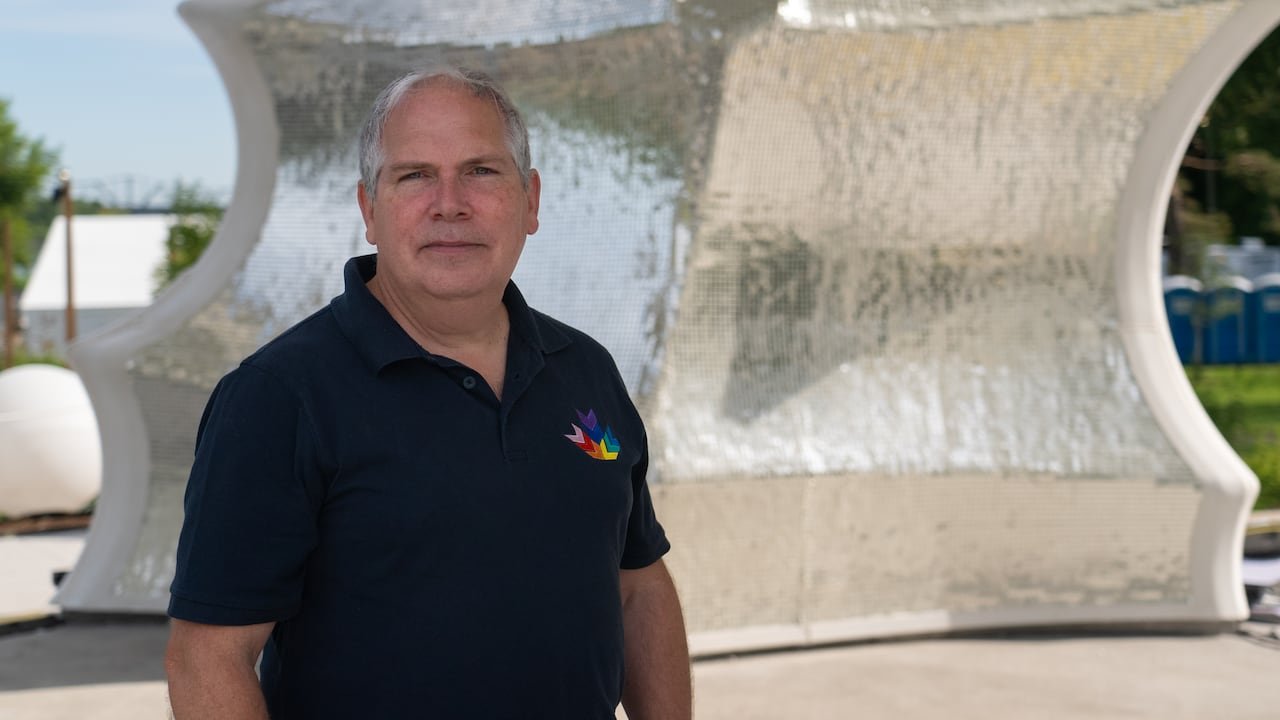
Thunderhead serves as a reminder of the discrimination faced by the 2SLGBTQ+ community in Canada, particularly during the historic LGBT purge conducted by the government. The purge, which lasted for decades, saw thousands of individuals expelled from various sectors for their sexual orientation.
Ross, a victim of the purge himself, joined a class-action lawsuit against the government, resulting in the funding for the monument’s creation.
A Symbol of Resilience
The concept behind Thunderhead, according to lead designer Liz Wreford, symbolizes both destruction and renewal through thundercloud imagery. The monument’s design allows sunlight to create colorful reflections inside the column, mimicking a thunderstorm’s lightning flashes.
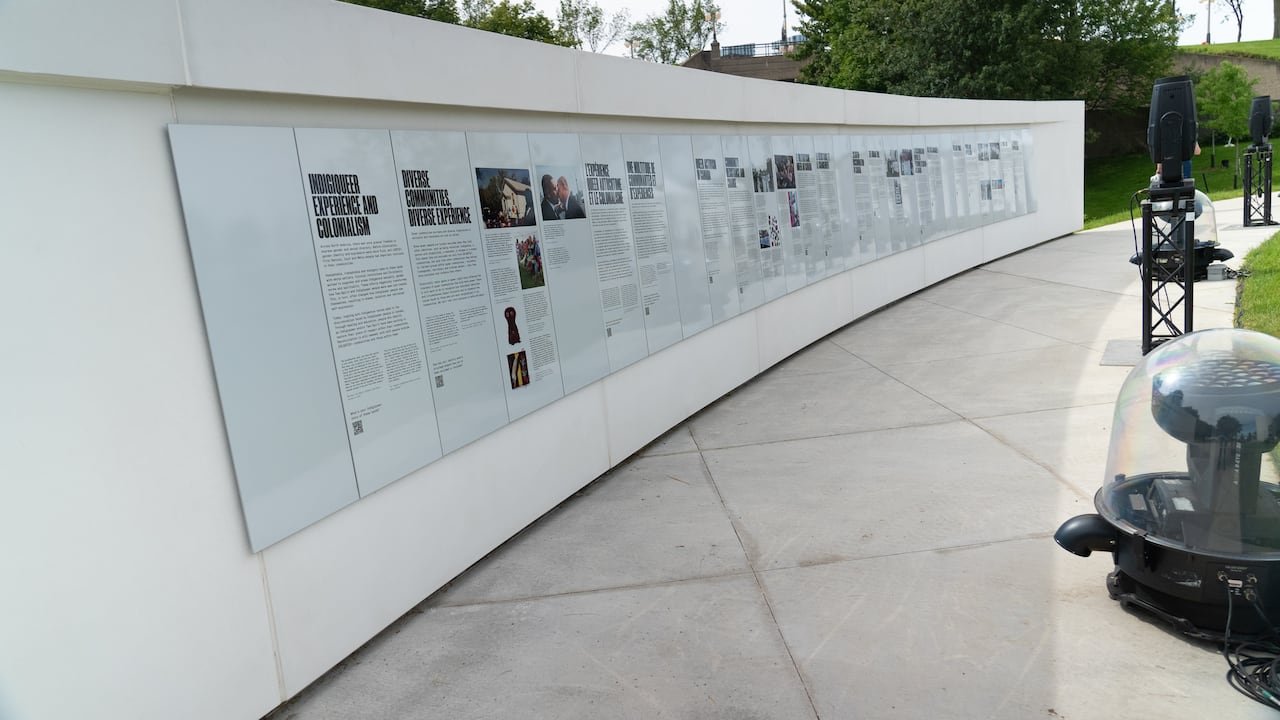
The accompanying park is designed to shed light on the history of discrimination against the 2SLGBTQ+ community in Canada. It features an interpretive wall detailing the community’s struggles, including the mistreatment of two-spirit individuals.
A healing circle, consisting of stones selected by two-spirit elders from each province and territory, is also part of the park’s design.
A Place for Reflection and Unity
The park surrounding Thunderhead is envisioned as a space for reflection and unity, offering visitors a chance to connect with their own experiences and emotions. Michelle Douglas, executive director of the LGBT Purge Fund, describes the park as a beacon of hope.
Like Ross, Douglas faced discharge from the Armed Forces in 1989 but later reached an out-of-court settlement with the government, ending discriminatory practices within the military.
The site is intended to be a living monument, recognizing past injustices while looking towards a more inclusive future.
In addition to the monument, the site includes a stage and spaces for performances and gatherings, serving as a versatile space for various events.
Ross envisions the monument and park as a place for both celebration and advocacy, a space where people can unite in times of need. The official opening ceremony will be attended by Gov.-Gen. Louise Arbour, coinciding with the start of Capital Pride 2026.
<a href="https://www.cbc.ca/news/canada/ottawa/national-2slgb

