

A 91-year-old woman living in a seniors’ apartment building in Windsor, Ontario, was recently presented with an eviction notice. However, she is now celebrating as a tribunal has determined that the notice was flawed.
Expressing her relief and gratitude, Sylvia Berk shared that her case at the Landlord and Tenant Board took several months and entailed multiple hearings.
Berk is part of a group of tenants at the 71-unit I.L. Peretz House located in downtown Windsor who have experienced significant rent hikes. This situation has sparked a larger conflict between residents, many of whom rely on fixed incomes, and the landlord. The landlord claims that previous low rental rates combined with escalating expenses necessitate the rent increases.
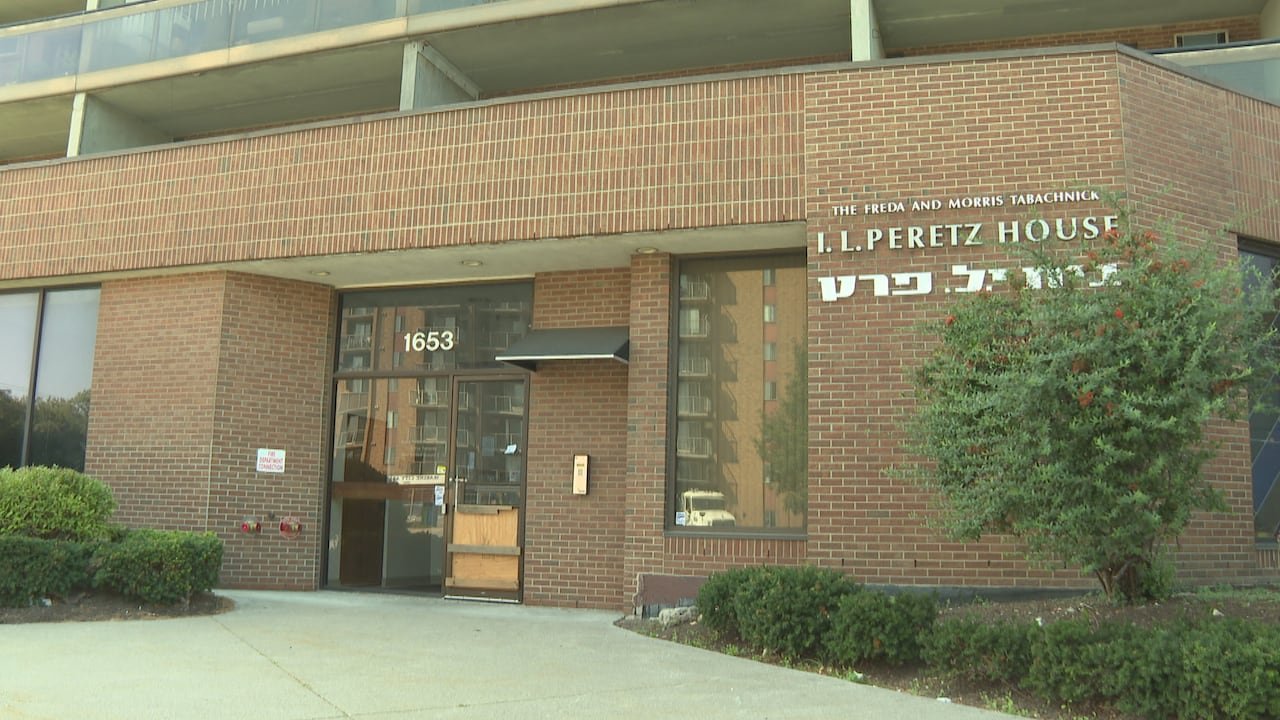
Front view of the I.L. Peretz House in downtown Windsor (Emma Loop/CBC)
Ghadeer Jwad, a paralegal representing the tenants through JLaw Solutions, highlighted the broader impact of Berk’s case on the residents. Over 30 units received similar rent increases, making this issue significant beyond Sylvia Berk’s individual situation.
For over a decade, Berk has resided in the building, receiving subsidies from the non-profit landlord associated with the Windsor Jewish Federation. These subsidies helped maintain her rent at approximately $450 per month, as confirmed in the recent ruling by the Board.
Last year, Berk was informed that her new rent would be $700 per month, a surge of over 50%. Although this rate remains below market value, Berk stated that she lacks the financial means to cover the increase. Consequently, she continued paying the old rate, prompting the landlord to issue the eviction notice.
Stephen Cheifetz, the head of the Windsor Jewish Federation, expressed reluctance about increasing rents but emphasized the necessity due to rising property taxes, utility costs, and maintenance expenses. He mentioned pursuing evictions to demonstrate the repercussions of not adhering to the new rental rates, indicating that evictions would only be enforced in cases of disruption or property damage.
When contacted for comment on the recent Board decision, Cheifetz declined to provide a statement and ended the call.
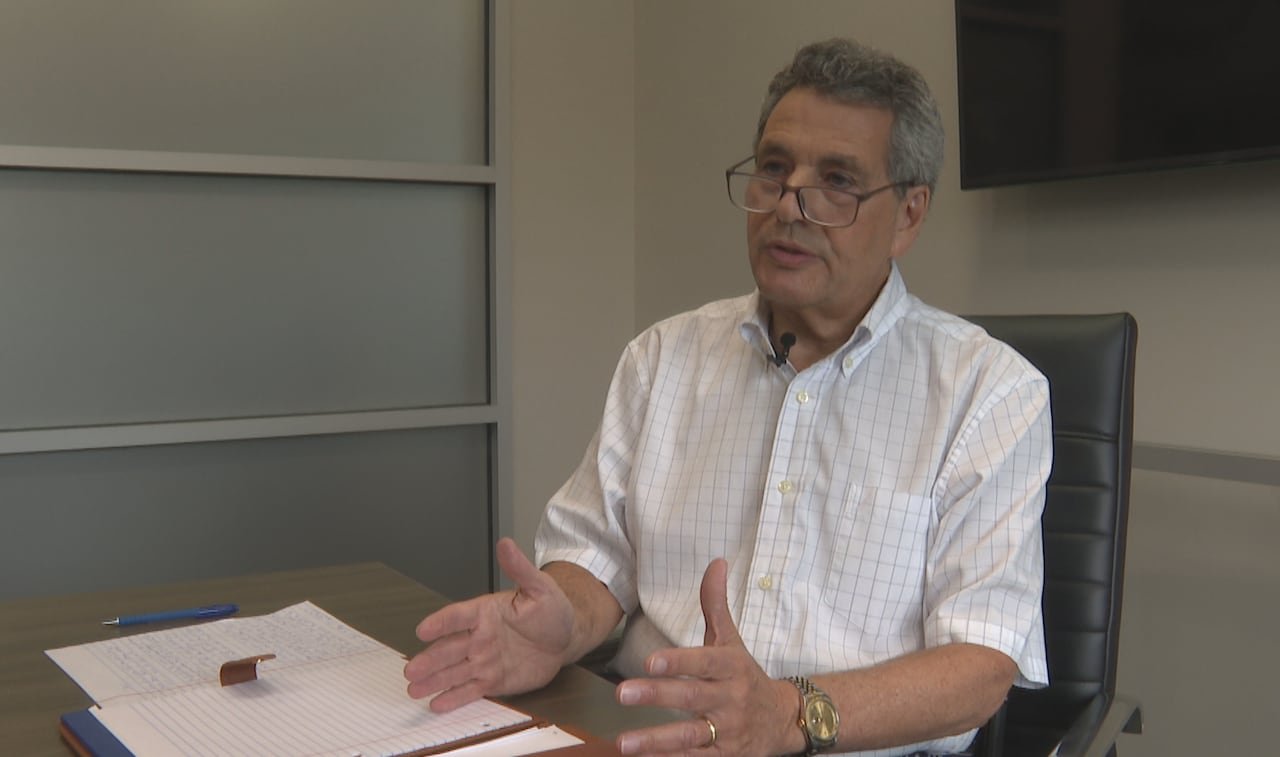
Stephen Cheifetz, a lawyer and president of the Windsor Jewish Federation, at his work office (Mike Evans/CBC)
The I.L. Peretz Senior Citizen Corporation, the landlord, argued that the building qualified as a designated housing project, exempting it from the standard rules that limited rental increases to 2.5

