

With the U.S. 50% tariff deadline approaching, some businesses in British Columbia are becoming increasingly concerned about the potential impact on their profits.
“It poses a serious threat,” stated Blaine Maryniuk, co-founder of West Coast Walls.
Maryniuk revealed that a significant portion of his business’s sales, ranging from 25% to 50%, are directed towards the United States each month.
“I think about it constantly,” he expressed.
-
Carney describes last-minute U.S. tariff talks as ‘delicate’ and ‘intense’ ahead of deadline
-
Public opinion in Iowa on Trump’s tariffs and Canada’s treatment as Republicans vie for backing
His concerns emerge as the deadline for tariffs on Wednesday draws near, leading Prime Minister Mark Carney to describe negotiations with the United States as “delicate” and “intense.”

Escalation of Tariff Negotiations
Canada-U.S. Trade Minister Dominic LeBlanc and Canada’s chief trade negotiator, Janice Charette, have engaged in a series of discussions with U.S. Trade Representative Jamieson Greer over the past three weeks. Their goal is not only to avert the proposed Section 338 tariffs but also to reduce the existing Section 232 tariffs on various industrial products such as steel, aluminum, automobiles, and lumber in exchange for certain Canadian concessions.
The U.S. justifies these tariffs by citing Canadian discrimination against its automotive, dairy, and alcohol industries.
For instance, it demands the reintroduction of U.S. alcohol in provincially operated stores.
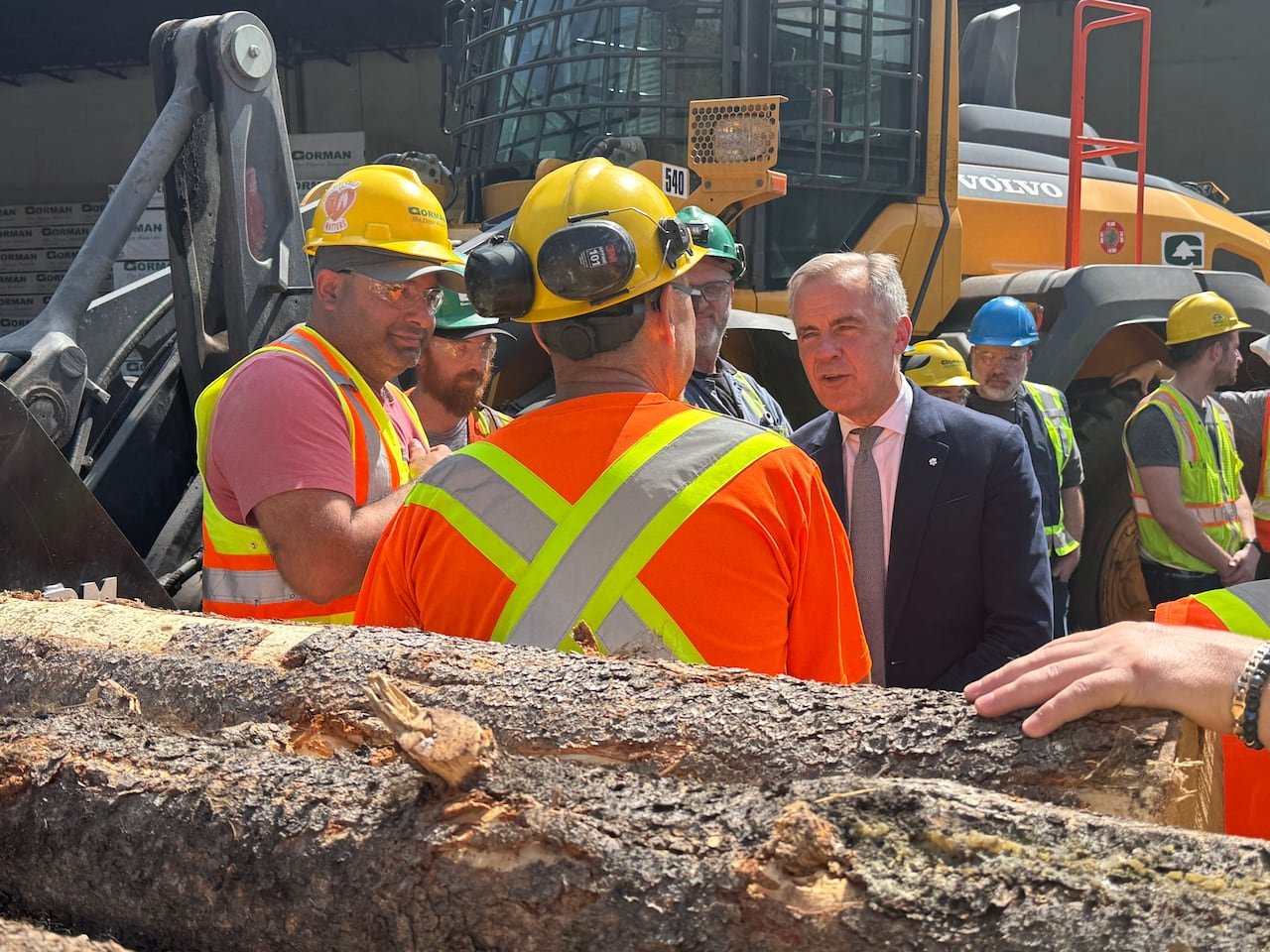
Levies on Timber Products Threaten Profits
The latest set of planned levies specifically target wood products, exposing British Columbia to significant vulnerabilities.
“There will be businesses forced to lay off employees — uncertainty looms over their survival,” warned Kelly Marciniw, a board member of the B.C. Log & Timber Building Industry Association. “The burden of tariffs extends beyond just costs; it includes additional administrative tasks and uncertainties.”
Bhavjeet Thandi, CFO of Richmond Plywood,

